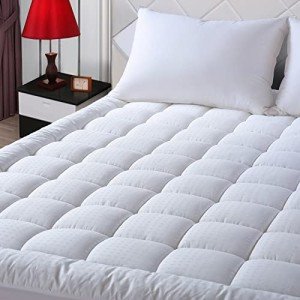
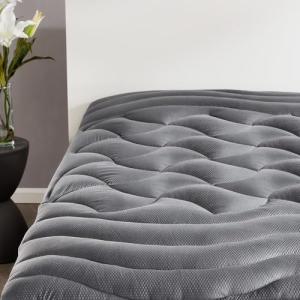
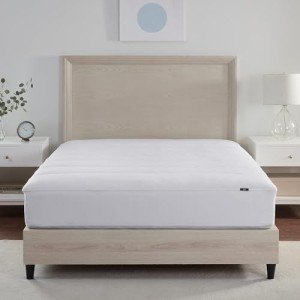
Maintenance & Troubleshooting
Preventative care for cooling pads centers on maintaining unobstructed airflow and preventing microbial growth within the internal hydration or ventilation channels. Regularly vacuuming external intake vents and using pH-neutral cleansers protects the delicate waterproof membranes from chemical erosion and mechanical strain.
Common Failure Modes
Even high-end cooling systems encounter mechanical or material degradation over time due to consistent thermal cycling and physical pressure.
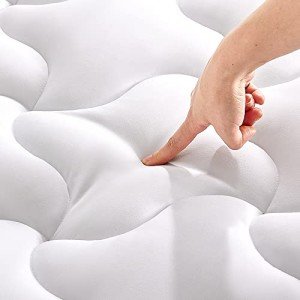
- To prevent foam materials failing to recover, rotate the pad monthly to redistribute the mechanical load and allow compressed cells to rebound.
- Address temperature sensor drift by resetting the control module if you notice cooling levels becoming inconsistent with your manual settings.
- Mitigate airflow restriction stress by using a soft brush to clear dust from the intake fans of active cooling units every thirty days.
- Slow down textile fiber thinning by using a high-thread-count protective cover that reduces direct friction between your body and the cooling fibers.
- Counteract heat cycling fatigue by avoiding "boost" modes for extended periods, which reduces the thermal strain on internal solder joints and tubing.
- Stop mold growth in water-based systems by using distilled water and running a specialized cleaning solution through the lines quarterly.
- Reduce surface scratching by ensuring bedding is free of abrasive zippers or hooks that can snag and tear the heat-transfer membrane.
Environmental Stress Factors
External conditions significantly influence how effectively a mattress pad can dissipate heat and resist material breakdown.
- In areas with high humidity acceleration, run a dehumidifier in the bedroom to help the pad's moisture-wicking layers evaporate sweat more effectively.
- Minimize dust load by keeping the floor around the bed clear, as active cooling units often pull air from floor level where particulates settle.
- Prevent pet hair clogging by placing the external power unit on a raised stand, keeping intake mesh clear of dander and fur.
- Avoid a cleaner compatibility conflict by strictly avoiding bleach or fabric softeners, which can coat cooling fibers and render them hydrophobic.
Key Components
The synergy between textile engineering and mechanical cooling elements defines the performance of your mattress pad.
- The airflow ventilation must be kept clear of heavy blankets to ensure that heat stripped from the body has an exit path.
- An integrated heat exchange system is the heart of active pads; inspect the pump or fan periodically for unusual vibrations or noise.
- Advanced thermal interface material is responsible for heat conduction; if the pad feels "lumpy," the internal gel or phase-change material may be migrating.
- The upholstery fabric layer serves as the comfort interface; check for pilling, which can create a pocket of trapped air that acts as an insulator.
- A robust insulation system at the base of the pad prevents your mattress from absorbing and reflecting heat back toward the sleeper.
- Properly functioning electronic control boards are necessary for smart temperature adjustments; protect them from power surges with a dedicated protector.
Related Categories
If you are researching a complete thermal sleep setup or bedroom organization, you may also want to review the failure expectations for these related devices: