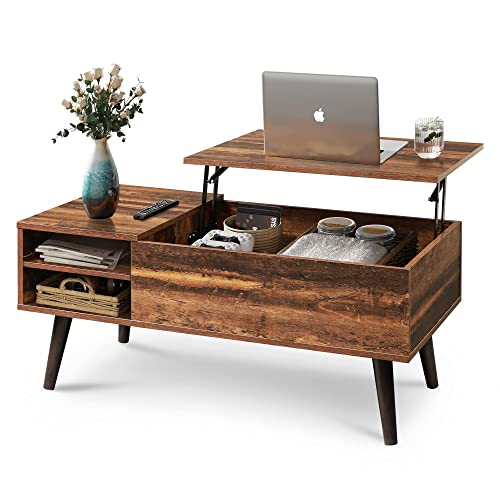
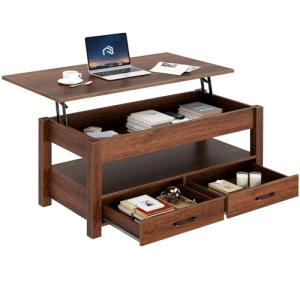
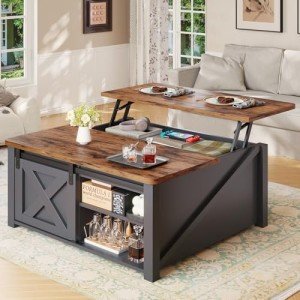
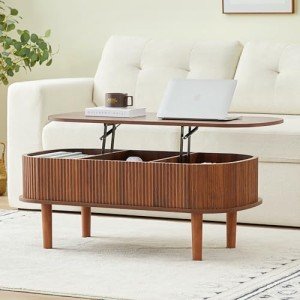
Maintenance & Troubleshooting
Regularly lubricating the pivot points and re-torquing the mounting fasteners prevents the asymmetrical wear that leads to mechanical binding. Monitoring the alignment of the top panel when closed is the best way to catch structural shifts before they cause permanent frame damage.
Common Failure Modes
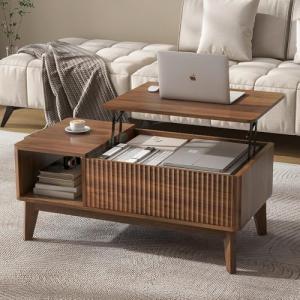
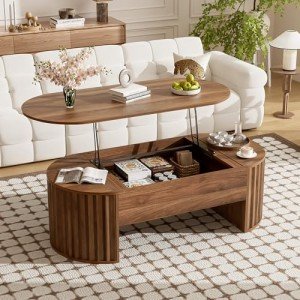
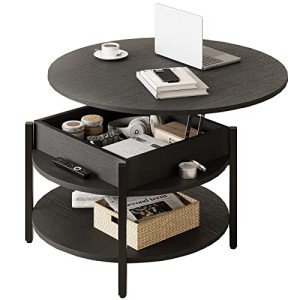
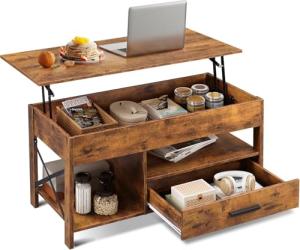
Mechanical furniture is subject to specific physical stresses that can impede the smooth transition of the lifting tabletop over time.
- Prevent Hinge Fatigue by applying a dry-film lubricant to all moving joints twice a year to ensure a fluid, non-stuttering motion.
- Avoid Overload Deformation by clearing heavy laptops or dinnerware before raising the top to prevent permanent bending of the steel support arms.
- Counteract Spring Elasticity Loss by checking the tension settings on adjustable mechanisms; replace worn springs if the top no longer stays in the raised position.
- Minimize Abrasive Wear by verifying the clearance between the lifting arms and the wooden frame; adjust the hinge alignment if you see signs of wood-on-metal friction.
- Address Joint Loosening by replacing standard wood screws with through-bolts or threaded inserts if the hardware begins to pull away from the fiberboard.
- Mitigate Structural Warping by keeping the table on a perfectly level floor and avoiding the storage of damp items inside the internal compartment.
Environmental Stress Factors
The longevity of your coffee table is significantly influenced by the climate and cleanliness of your primary living space.
- Control Moisture Swelling by maintaining a consistent indoor humidity level to prevent the top panel from expanding and jamming against the lower frame.
- Reduce the Dust Load within the lifting tracks by using a vacuum attachment monthly to prevent grit from grinding down the pivot bushings.
- Protect against UV Embrittlement by applying a UV-filtering wax to the wood finish and keeping the table away from direct sunlight, which can crack plastic spacers.
- Prevent Pet Hair Clogging by wiping down the interior sliding rails to ensure hair doesn't get trapped in the grease of the pivot points.
Key Components
High-quality lift-top tables rely on a combination of heavy-duty hardware and robust structural elements to function safely.
- The Load Bearing Frame must be rigid enough to resist "racking"—the side-to-side swaying that occurs when the table is fully extended.
- Inspect the Hinge Pivot Assembly for thick-gauge steel construction; thinner metals will flex under weight and eventually warp.
- A high-tension Spring Elastic Component or gas-strut system should offer a soft-close feature to prevent the top from slamming and damaging the frame.
- The Fastener System should include lock washers to prevent the vibration of daily use from backing out the screws that hold the lifting arms.
- The Structural Housing provides the torsional strength for the entire unit; look for solid wood or high-density core materials rather than thin particleboard.
If you are researching full-room setups, you may also want to review the failure expectations for these related furniture items: