Maintenance & Troubleshooting
Maximizing the shelf life of laundry pods and sheets requires a moisture-impermeable storage strategy to prevent the premature activation of the polymer shell. If you notice pods becoming sticky, adding a silica desiccant pack to the container can halt further moisture-driven degradation.
Common Failure Modes
Even advanced cleaning concentrates can suffer from degradation if handled or stored improperly over time.
- Exposure to ambient moisture often leads to Surfactant Breakdown; keep the original packaging tightly zipped to maintain the chemical potency of the cleaning agents.
- When concentrated liquids sit for too long, they may experience Emulsion Separation; check for discoloration in pods and discard any that show visible layering to avoid staining fabrics.
- Humidity can cause pods to fuse together, leading to Seal Compression Fatigue; never pull fused pods apart by force as this ruptures the membrane and causes messy leaks.
- Fluctuating temperatures frequently cause Crystallization; if the detergent feels grainy, use an extra rinse cycle or a warmer water setting to ensure full dissolution.
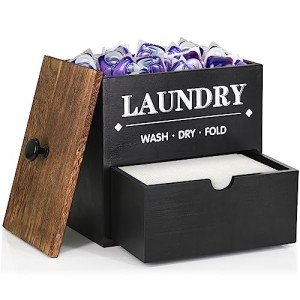
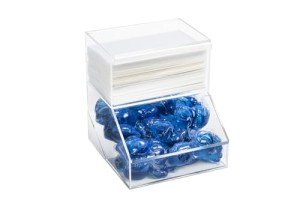
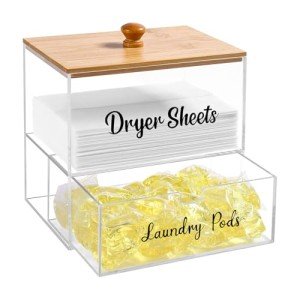
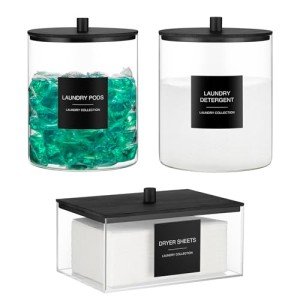
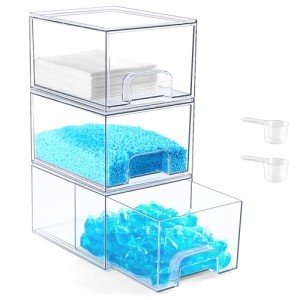
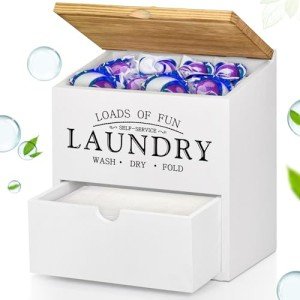
- Improperly sealed containers might result in Fragrance Degradation; store pods in an airtight glass or plastic bin to lock in the scent and prevent oxygen-driven scent loss.
- Chemical changes within the membrane can lead to Hydrolysis Breakdown; ensure your hands are completely dry before touching sheets or pods to prevent starting the dissolution process prematurely.
Environmental Stress Factors
External conditions in your utility area play a critical role in the lifespan of your laundry supplies.
- The most common threat is High Humidity Acceleration; avoid storing detergents directly next to a dryer vent where steam and heat are most concentrated.
- Unstable storage climates can lead to Temperature Extremes; maintain a consistent room temperature between 60°F and 80°F to prevent the formula from thickening or thinning.
- Poorly ventilated cabinets may foster Mold Growth on paper packaging; elevate detergent boxes off damp floors and use wire shelving to encourage airflow around the product.
- Contaminants on hands can cause Cleaner Compatibility Conflict; always wash and dry hands after using bleach or fabric softeners before reaching into your pod or sheet container.
Key Components
These products rely on a precise balance of active ingredients and protective housing to deliver a perfect wash.
- The core cleaning power is derived from a Surfactant that must be kept dry until use to preserve its ability to bond with oil and dirt.
- To keep the formula stable, a robust Preservative prevents the growth of bacteria within the moisture-sensitive concentrate.
- Every pod or sheet features an Active Ingredient; check the expiration date to ensure these enzymes are still capable of breaking down organic stains.
- The outer membrane of a pod acts as a Polymer Shell, which requires specific agitation and water volume to dissolve without leaving "plastic" residue on clothes.
- Synthetic notes are held within a Fragrance; verify the seal on your storage bin to prevent these volatile compounds from evaporating.
- To ensure easy handling, a specialized Carrier Base holds the chemicals in a stable, solid or gel-like form until the wash cycle begins.
Related Categories
If you are researching the long-term durability and organization of laundry hardware, you may also want to review these related categories: