Pinhole leaks in a garbage disposal’s outer housing are rarely the result of a single impact; they are the inevitable outcome of organic acids and stagnant moisture trapped against the metal casing. While most users focus on the blades, the true engineering vulnerability lies in the "splash zone"—the underside of the rubber guard and the upper rim of the grinding chamber—where bacterial biofilms harbor corrosive agents that eat through the unit from the inside out. Understanding the chemistry of surfactants and enzymatic cleaners is the only way to neutralize these hidden threats before they lead to structural failure or motor burnout. If you want to dive straight into the technical data on hardware durability, you can jump to our forensic guides below.
Garbage Disposal Cleaners
Keep your kitchen fresh and odor-free with powerful garbage disposal cleaners
Product List
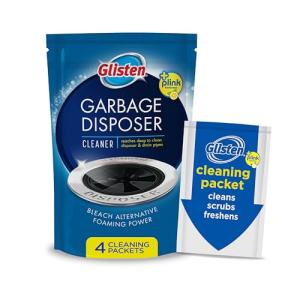
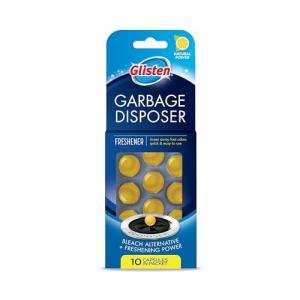
Lemon Sink Disposal Freshener
Glisten
Product Review Score
4.3 out of 5 stars
192 reviews$4.28 $3.31
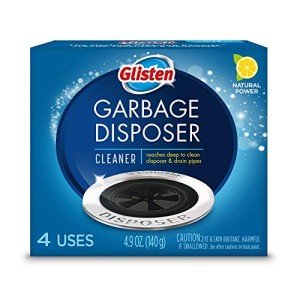
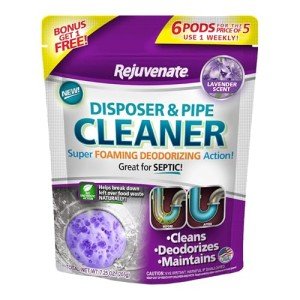
Lavender Drain & Disposal Cleaner
Rejuvenate
Product Review Score
4.91 out of 5 stars
140 reviews$7.99 $6.78
![Affresh Garbage Disposal Cleaner, Removes Odor-Causing Residues, 9 Tablets [3 Pack]](https://cdn.freshstore.cloud/offer/images/18281/28635/c/affresh-garbage-disposal-cleaner-removes-odor-causing-residues-9-tablets-3-pack-28635-small.jpg)
Garbage Disposal Cleaner Tablets
Affresh
Product Review Score
4.54 out of 5 stars
186 reviews$11.31
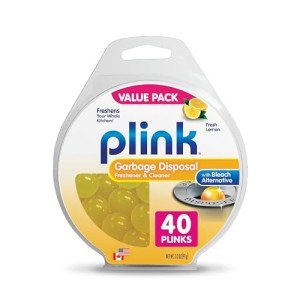
Lemon Garbage Disposal Freshener
Plink
Product Review Score
4.4 out of 5 stars
78 reviews$16.99 $16.05
![Garbage Disposal Cleaner and Deodorizer Drops- [[50-Count]] Lemon Zest Scented Kitchen Sink Freshener Pods & Drain Odor Eliminator Disposer Care Balls by Bastion](https://cdn.freshstore.cloud/offer/images/18281/28639/c/garbage-disposal-cleaner-and-deodorizer-drops-50-count-lemon-zest-scented-kitchen-sink-freshener-pods-drain-odor-eliminator-disposer-care-balls-by-bastion-28639-small.jpg)
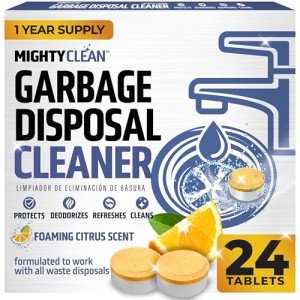
Mighty Clean Disposal Tablets
Mighty Clean
Product Review Score
4.12 out of 5 stars
81 reviews$16.99 $8.99
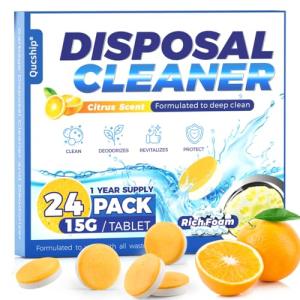
XXL Citrus Garbage Disposal Tablets
Qucship
Product Review Score
4.64 out of 5 stars
38 reviews$12.99 $9.99
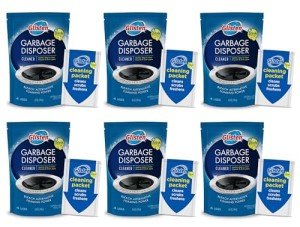
Glisten Garbage Disposer Cleaner
Glisten
Product Review Score
4.09 out of 5 stars
212 reviews$27.49 $25.69
Maintenance & Troubleshooting
Effective disposal maintenance requires using high-expansion foaming agents that physically reach the upper grinding ring to neutralize acidic residues. Regularly inspecting the elasticity of your splash guard can prevent the moisture trap effect that accelerates housing corrosion.
Common Failure Modes
Chemical and mechanical degradation can lead to a complete system breakdown if not addressed with the correct maintenance products.
- To combat Active Oxidation, use alkaline-based cleaners monthly to neutralize the acidic food waste that weakens metal chamber walls.
- Prevent Surfactant Breakdown by storing your cleaning pods in a climate-controlled area to ensure the foam maintains its structural integrity during the cycle.
- Stop Corrosion from forming pinhole leaks by ensuring the disposal is run with cold water for 30 seconds after cleaning to flush out lingering organic acids.
- Address Mold Growth by manually scrubbing the underside of the rubber splash guard with a stiff brush and an antimicrobial solution twice a month.
- Avoid Emulsion Separation by shaking liquid cleaners thoroughly before use to prevent waxy residues from coating the impellers and trapping debris.
- Slow down Elastomer Hardening by avoiding petroleum-based drain cleaners, which strip plasticizers from internal gaskets and cause cracks.
Environmental Stress Factors
The conditions inside your sink determine how quickly your disposal unit and cleaning products degrade over time.
- Clear Hard Water Buildup by using a citric-acid based descaler to dissolve the calcium deposits that seize up rotating impellers.
- Mitigate High Humidity Acceleration by ensuring the sink area is well-ventilated, reducing the speed at which anaerobic bacteria can colonize the drain.
- Prevent a Cleaner Compatibility Conflict by sticking to a single brand of enzymatic cleaner; mixing different chemical bases can neutralize the active deodorizing agents.
Key Components
Modern disposal cleaners utilize sophisticated delivery systems to ensure every square inch of the unit is treated.
- The Surfactant System must be engineered to create "dry" foam, which clings to vertical surfaces longer than liquid to dissolve stubborn grease.
- A functional Fragrance System should rely on essential oils rather than heavy alcohols, which can dry out the rubber components over time.
- Check that your Active Ingredient System includes lipase and protease enzymes, as these specifically target the fats and proteins that cause most mechanical clogs.
- A high-quality Preservative System is vital for multi-packs to prevent the enzymes from becoming inert before you reach the bottom of the container.
- The Container Packaging System should be airtight; moisture ingress during storage is the leading cause of "dead" or non-foaming cleaning pods.
Related Categories
If you are researching the long-term durability of your kitchen plumbing, you may also want to review the failure expectations for these related devices: