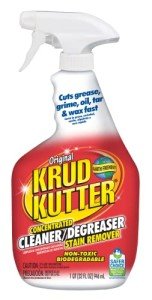
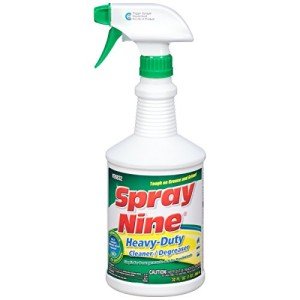
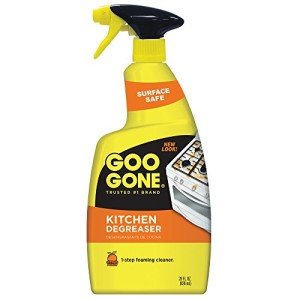
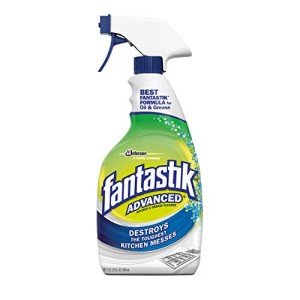
Maintenance & Troubleshooting
Maximizing the life of a degreaser requires maintaining the airtight integrity of the dispensing trigger to prevent oxygen-induced pH shifts. Storing these caustic fluids in a cool, dark environment is the only way to prevent the active surfactants from losing their ability to encapsulate oils.
Common Failure Modes
Chemical solutions remain effective only when their molecular structure and delivery systems are protected from internal and external degradation.
- If the chemical balance shifts, you may notice reduced power caused by pH drift; test the liquid on an inconspicuous area to ensure the alkalinity hasn't dropped below effective levels.
- Leaving the nozzle open leads to solvent evaporation shift; always rotate the nozzle to the "off" position after use to stop volatile agents from escaping.
- The separation of oil-fighting agents results from emulsion separation; give the bottle a vigorous shake for 10 seconds before application to re-suspend the active molecules.
- Extended storage in cold areas can cause crystallization; if the spray is blocked, soak the nozzle in warm water to dissolve any hardened chemical solids.
- A loss of cleaning efficiency is often due to surfactant breakdown; replace bottles that have been stored for over two years, as the molecules lose their "cling" over time.
- When the product fails to stick to vertical vent hoods, it indicates thickener breakdown; avoid shaking the bottle excessively if the formula is designed as a "clinging gel."
- Changes in scent usually signal fragrance degradation; ensure the bottle is stored away from direct airflow to prevent the aromatic stabilizers from oxidizing.
Environmental Stress Factors
External conditions in a kitchen environment can rapidly accelerate the aging process of specialized cleaning chemicals.
- Storing bottles near ovens subjects them to temperature extremes; move your cleaning supplies to a lower cabinet away from heat sources to prevent chemical destabilization.
- Keeping clear bottles on windowsills causes high UV exposure; use opaque storage containers or dark cabinets to prevent light from breaking down the active biocides.
- In damp under-sink areas, high humidity acceleration can occur; ensure the area is well-ventilated to prevent moisture from degrading the container’s structural labels or seals.
- Residue from other products can lead to a cleaner compatibility conflict; always wipe down the bottle exterior to prevent accidental reactions between different chemical formulas.
Key Components
The efficacy of a degreaser relies on a precisely balanced system of chemical agents and mechanical delivery parts.
- The active ingredient is the primary weapon; look for formulas using potassium hydroxide or similar alkaline salts for heavy carbonized buildup.
- To ensure even coverage, the surfactant system reduces surface tension; check if the formula produces a foam, which increases dwell time on vertical surfaces.
- Every spray relies on the dispensing mechanism; look for heavy-duty triggers with stainless steel springs that resist corrosion from caustic fluids.
- The carrier base holds ingredients in suspension; verify the base is compatible with your countertop material (like stone or stainless) before application.
- A robust preservative system prevents internal bacteria growth; discard any bottle that develops cloudiness or "ropiness" in the liquid.
- The container packaging must be HDPE or a similarly rated plastic; never transfer degreasers to unrated spray bottles which may melt or leak.
Related Categories
If you are researching a full-room kitchen setup, you may also want to review the failure expectations for these related devices and organization tools: