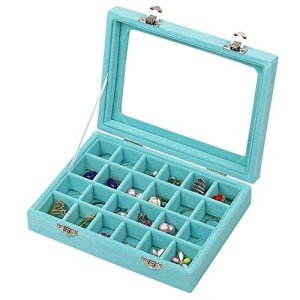
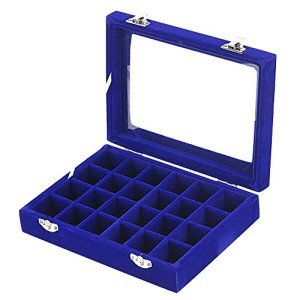
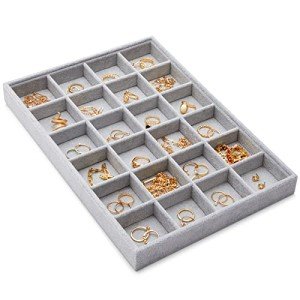
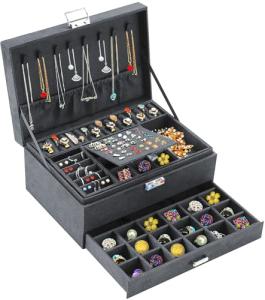
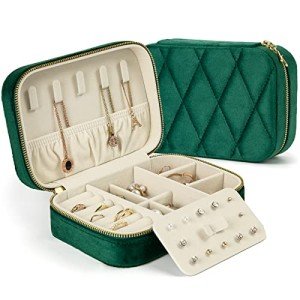
Maintenance & Troubleshooting
To prevent textile thinning and adhesive decay, rotate heavy items like watches monthly to redistribute pressure across the foam core. Keeping organizers away from direct heat vents preserves the chemical bond between the velvet lining and the frame.
Common Failure Modes
Soft-touch storage components are susceptible to structural and aesthetic degradation over time due to repeated use and material fatigue.
- Repeated handling of heavy watches or chunky necklaces often leads to textile fiber thinning; use a soft-bristled brush to gently lift the pile and prevent permanent matting.
- The internal support structures can suffer from structural warping if overloaded; ensure weight is distributed evenly across the center of the tray to maintain the frame's geometry.
- The plush lining may experience adhesive bond failure when exposed to heat; if peeling occurs at the edges, a small application of pH-neutral fabric glue can re-secure the textile without damaging jewelry.
- Low-quality base materials are prone to stress cracking at the corners; reinforce high-tension joints with a thin layer of archival-safe tape to prevent the cracks from spreading.
- Excessive friction against the drawer base can cause abrasive wear on the underside; apply small silicone bumpers to the bottom corners to eliminate direct contact and sliding.
- Frequent reconfiguration of modular dividers may result in small hardware failure of clips; avoid forceful adjustments and ensure dividers are fully aligned before pressing them into place.
Environmental Stress Factors
External conditions within your bedroom or dressing area can accelerate the aging process of delicate velvet and felt materials.
- Moisture in the air can trigger high humidity acceleration; placing a silica desiccant packet inside the drawer will absorb excess moisture and prevent mold.
- The accumulation of fine particles leads to dust load issues; use a handheld vacuum on a low-suction setting weekly to remove particulates before they scratch soft gold or silver.
- Exposure to harsh sunlight often causes high UV exposure damage; keep drawers closed when not in use or use UV-filtering window films to stop fabric dye from fading.
- Using the wrong sprays near your vanity can lead to cleaner compatibility conflict; always apply hairsprays and perfumes before opening your jewelry drawers to avoid chemical mist settling on the felt.
Key Components
The performance of jewelry compartments relies on a blend of high-quality textiles and rigid supporting elements.
- The outer aesthetic and protective feel are provided by the upholstery fabric layer, which serves as the primary barrier against mechanical abrasion.
- Rigid support is maintained by the structural housing, typically constructed from MDF or plastic to keep the unit square within the drawer.
- The internal padding often consists of a foam core, which must have a high recovery rate to bounce back after heavy jewelry is removed.
- To keep the plush lining securely attached to the frame, a specialized adhesive bond layer is applied, ideally using non-gassing formulas to protect delicate pearls.
- The overall stability of the organizer within the drawer is governed by the load bearing frame, which absorbs the shock of the drawer being opened and closed.
Related Categories
If you are researching full-room setups, you may also want to review the failure expectations for these related devices:
- For larger collections, consider a Standing Jewelry Armoire to provide a dedicated, full-length furniture piece for your accessories.
- If you prefer a vertical solution that saves floor space, a Wall Mounted Jewelry Cabinet offers excellent visibility and accessibility.
- For high-value items requiring maximum security, a Locking Jewelry Safe provides peace of mind alongside organized velvet-lined compartments.