Maintenance & Troubleshooting
Preventing the desiccation of organic fibers and the softening of adhesive bonds requires strict climate control and load management. Periodically rotating stacked units prevents the cumulative compression that leads to lid-fit misalignment and structural collapse.
Common Failure Modes
Decorative containers are subject to physical and chemical degradation over time, often manifesting in structural or aesthetic decline.
- Repeated loading and unloading of heavy items can lead to structural warping; place the heaviest items at the base and avoid over-stuffing to maintain the box’s geometric integrity.
- The gradual loss of internal cohesion in bonded parts often results in adhesive bond failure; use a pH-neutral archival glue to re-secure peeling wraps before the substrate is exposed to air.
- Extended periods of weight bearing may cause overload deformation; utilize internal corner bracing or limit stacking height to prevent the base panels from bowing permanently.
- Frequent handling often leads to surface scratching; apply a high-quality furniture wax to finished wood or use microfiber cloths to prevent abrasive debris from etching the surface.
- Environmental moisture can trigger mold growth; place silica desiccant packets inside fabric-lined boxes stored in closets to neutralize trapped dampness.
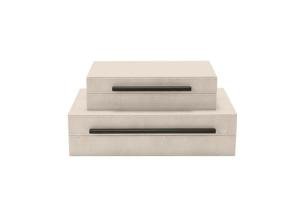
- Over time, the protective layers may fail, leading to coating peeling; avoid using alcohol-based cleaners that dissolve the lacquered finish and cause the top coat to flake.
Environmental Stress Factors
The longevity of your storage solutions is heavily influenced by the atmosphere and placement within your home.
- Prolonged exposure to sunlight can cause significant high UV exposure; position textile-wrapped boxes away from direct window light to stop the photochemical degradation of fabric dyes.
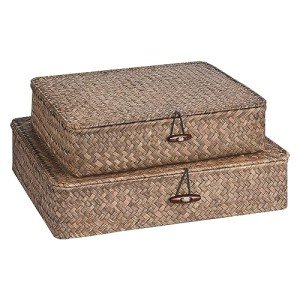
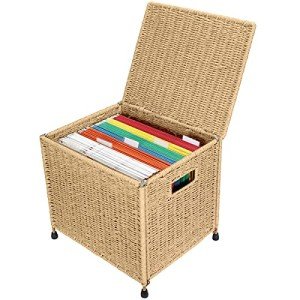
- Excessive moisture in the air often results in high humidity acceleration; use a dehumidifier in basements to prevent the cellulose fibers in paper-based boxes from losing their rigidity.
- In arid climates, low humidity desiccation can be mitigated by keeping wood and leather components away from heat vents to prevent shrinkage-related cracking.
- Accumulated particles in the home create a dust load; use a soft-bristle vacuum attachment to remove dust from porous fabric linings before it becomes embedded and abrasive.
Key Components
Every decorative box is engineered with specific elements designed to balance weight capacity with ornamental detail.
- The primary structural housing provides the essential framework that maintains the box’s shape under various storage loads.
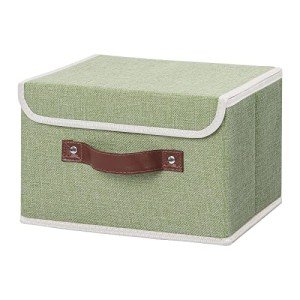
- To provide a soft touch and visual warmth, many boxes utilize an upholstery fabric over the rigid core.
- A durable polymer shell is often used in modern designs to offer water resistance and high impact protection.
- Internal stability is often reinforced by a load bearing frame, which prevents the container from collapsing when stacked.
- Smooth operation and lid security are typically managed by a dedicated hinge pivot assembly in lidded box varieties.
- The external finish is protected by a surface coating that guards against minor spills and everyday handling wear.
Related Categories
If you are researching full-room setups, you may also want to review the failure expectations for these related devices: