Maintenance & Troubleshooting
Periodic lubrication of the central spindle with a dry-film lubricant prevents the abrasive grinding that eventually halts rotation. Monitoring the vertical alignment of the dividers ensures that the "set" of the plastic doesn't permanently warp, which can lead to markers becoming stuck in their housings.
Common Failure Modes
Daily use in high-traffic art environments can lead to mechanical and material degradation of your storage units.
- Heavy classroom use can lead to abrasive wear on internal dividers; apply a thin layer of microcrystalline wax to the interior walls to reduce friction from marker caps.
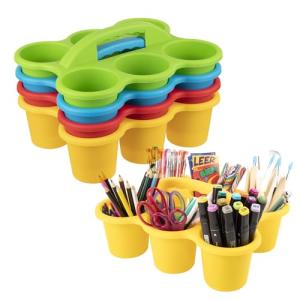
- Overloading individual compartments often results in structural warping; distribute weight evenly across the carousel to maintain a level center of gravity.
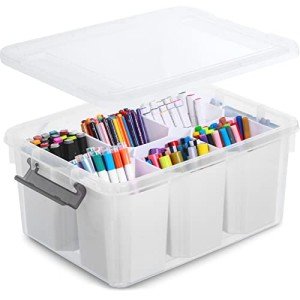
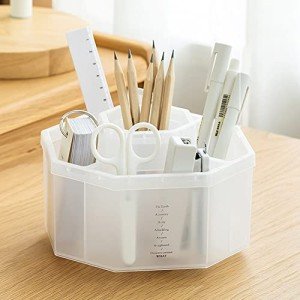
- Transparent organizers may lose their aesthetic appeal due to surface scratching; use only microfiber cloths for cleaning and avoid storing sharp-edged metal rulers in acrylic sections.
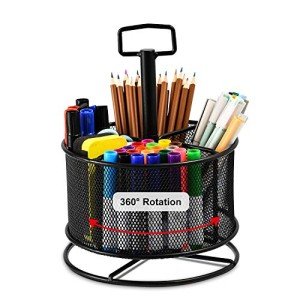
- In rotating models, the central pivot is susceptible to bearing wear; clear the base of debris monthly to prevent grit from entering the rotational race.
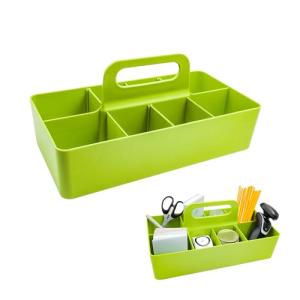
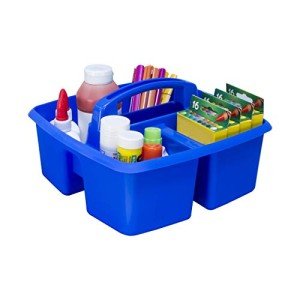
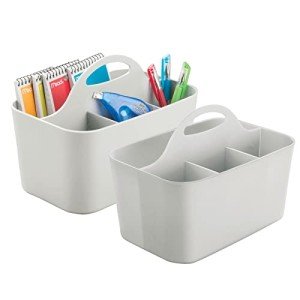
- Portable caddies with folding handles frequently experience hinge fatigue; avoid "swinging" the unit while carrying to minimize lateral stress on the plastic pivot pins.
- Exposure to spilled art solvents or cleaners can trigger stress cracking; immediately neutralize chemical spills with a mild soap solution to prevent polymer chain degradation.
- If the unit is dropped, the rigid plastic is prone to impact fracture; place the caddy on a non-slip silicone mat to reduce the risk of it sliding off the workstation.
Environmental Stress Factors
The location of your art station plays a critical role in the longevity of both the caddy and the supplies within.
- Placing your organizer near a window subjects it to high UV exposure; use UV-filtering window film to prevent the plastic from becoming yellowed and brittle.
- Art rooms located in basements may face high humidity acceleration; place a small silica gel packet in a corner compartment to absorb moisture that can cause marker tips to mold.
- Workshops with open windows often suffer from dust load; use a can of compressed air to blow out the bottom of deep slots where abrasive particles accumulate.
- Standard cleaning routines can fail due to cleaner compatibility conflict; avoid ammonia-based sprays which can fog acrylic surfaces and cause microscopic crazing.
Key Components
Modern art caddies utilize specific engineering features to balance accessibility with long-term durability.
- The polymer shell serves as the primary body; inspect the corners for "whitening," which is an early indicator of material stress.
- Smooth 360-degree access is facilitated by a rotational drive; ensure the ball bearings are seated correctly if the rotation begins to feel jerky.
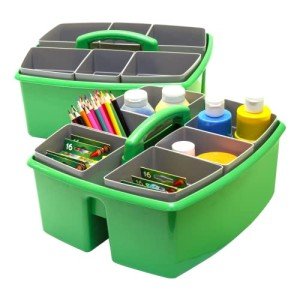
- Each individual slot features structural housing; clean these slots regularly to prevent dried ink from bonding to the plastic walls.
- The integrity of the unit depends on a high-quality adhesive bond; keep the unit away from direct heat sources that can soften the glues holding the dividers.
- For modular units, the fastener system is vital; periodically check that all snap-fit or screw connections are seated flush to prevent frame racking.
Related Categories
If you are researching full-room setups, you may also want to review the failure expectations for these related devices:
- For larger art tools and heavier mediums, consider adding art supply trolleys to your studio for mobile access.
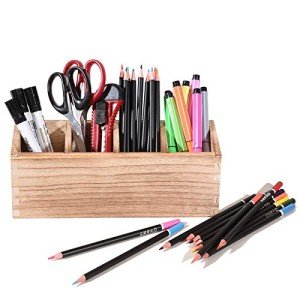
- Keep your workspace clear by utilizing rotating pencil caddies for graphite and colored pencils alongside your markers.
- Small erasers and sharpeners stay organized and visible within mini drawer sets to maximize surface space.
- Enhance your drafting area with desktop shelf risers to create multi-level storage for paper and sketchbooks.