Maintenance & Troubleshooting
Regularly clearing pigment dust and hair from the caster axles prevents the abrasive wear that eventually seizes rotational movement. Periodic re-torquing of the frame fasteners is essential to counteract the structural fatigue caused by moving heavy loads over uneven studio surfaces.
Common Failure Modes
Over time, the mechanical stresses of moving heavy art media can lead to specific structural and functional issues.
- Repeated movement over uneven studio floors can lead to bearing wear rotational friction; apply a dry PTFE lubricant to the internal races annually to restore smooth gliding.
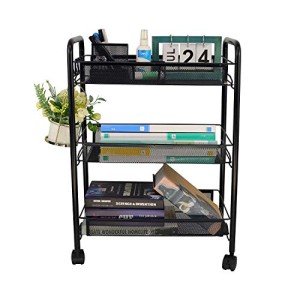
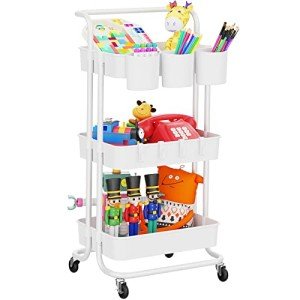
- Exceeding the recommended weight capacity often results in overload deformation; distribute heavier liquid jugs on the bottom tier to prevent permanent bowing of the upper metal shelves.
- The integrity of the cart depends on tight connections, but vibrations frequently cause joint loosening; check and tighten all primary structural bolts quarterly to stop frame wobbling.
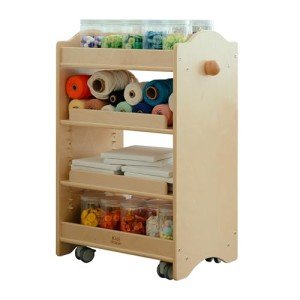
- Frequent height adjustments or shelf reconfiguration can eventually trigger cyclic fatigue failure; inspect locking pins for metal shavings and replace any hardware that no longer clicks firmly into place.
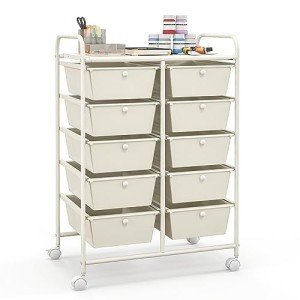
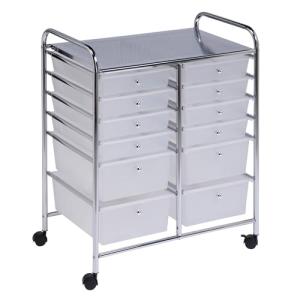
- Accidental bumps in a crowded studio might cause impact fracture; install adhesive rubber bumpers on the outer corners of plastic trays to absorb energy from collisions.
- Moving parts that lack regular lubrication are highly susceptible to abrasive wear; wipe down sliding rails every month to remove grit that can act as sandpaper against the metal finish.
- Long-term exposure to heavy palettes on one side can create structural warping; balance your tool placement across the shelves to ensure the center of gravity remains centered over the casters.
Environmental Stress Factors
The conditions of your studio or classroom play a vital role in the longevity of your mobile storage equipment.
- In shared creative spaces, the accumulation of dust load can clog the wheel bearings; use a can of compressed air to blow out debris from the caster housings every few weeks.
- Studios located in basements or coastal areas must combat high humidity acceleration; apply a thin layer of car wax to the steel frame to create a barrier against rust-inducing moisture.
- Using harsh solvents to clean paint spills can lead to cleaner compatibility conflict; always neutralize chemical spills immediately with a damp, soapy cloth to prevent the powder coating from bubbling.
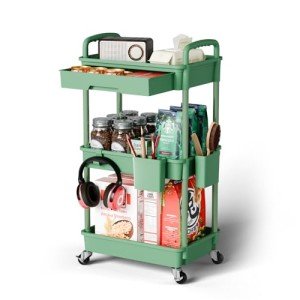
- Prolonged placement near windows subjects the trolley to high uv exposure; shield plastic bins from direct sunlight to prevent the material from becoming brittle and prone to cracking.
Key Components
Every art trolley is an engineered system designed to balance weight distribution with effortless portability.
- The rigid load bearing frame acts as the backbone; inspect the weld points at the base annually for hairline cracks that suggest structural fatigue.
- Effortless 360-degree movement is made possible by the rotational drive assembly; ensure the swivel action is not restricted by pet hair or thread wraps caught in the axle.
- To keep the structure stable during use, the fastener system secures all trays; hand-tighten these rather than using power tools to avoid stripping the threads.
- The protective polymer shell found on bins provides resistance; use specialized plastic cleaners to maintain the shell’s flexibility and prevent staining.
- Internal organization is often managed by a sliding rail system; check that the rails are level to prevent drawers from drifting open while the cart is in motion.
- The exterior finish often features a surface coating; keep this layer clean to ensure pigments do not bond permanently with the finish and cause pitting.
Related Categories
If you are researching full-room setups, you may also want to review the failure expectations for these related devices:
- For smaller tools and desktop organization, consider adding rotating supply caddies to your workstation for instant access to pens.
- Keep your drawing utensils organized and upright by pairing your trolley with specialized pen pencil holder cups.
- Expand your studio's overall utility by integrating rolling utility carts for larger equipment or cleaning supplies.
- If you are managing a classroom, school supply bins can be used inside the trolley tiers to separate student projects.