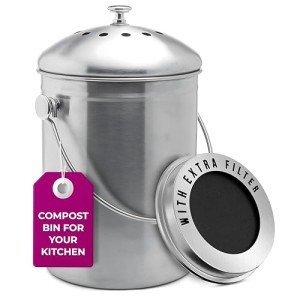
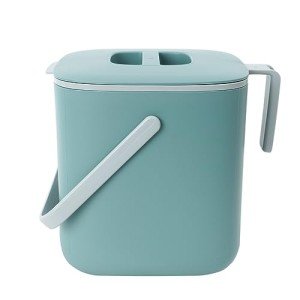
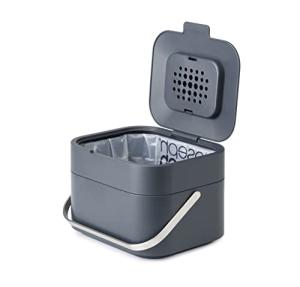
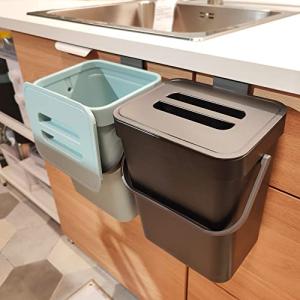
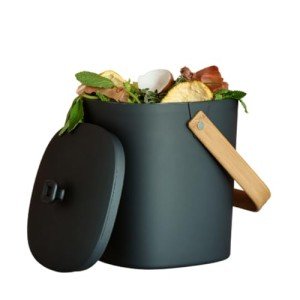
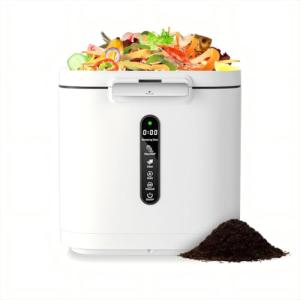
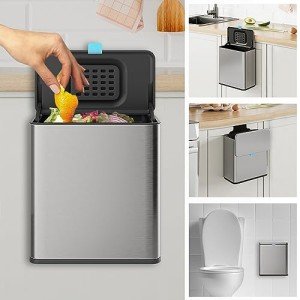
Maintenance & Troubleshooting
Preventing the breakdown of internal sealants requires a strict avoidance of abrasive cleaners that strip the chemical-resistant coatings. Regularly lubricating the lid hinges and inspecting the gasket for elasticity is the most effective way to prevent pest attraction and unmanaged odor leaks.
Common Failure Modes
Mechanical and material breakdowns can compromise the sanitation and efficiency of your composting unit over time.
- Exposure to acidic food waste often leads to coating peeling; use compostable liners to create a physical barrier between the waste and the bin’s interior surface.
- The humid environment frequently encourages mold growth; wash the vessel with a mild vinegar solution weekly to kill fungal spores without damaging the material.
- Frequent lid usage can result in hinge fatigue; apply a food-safe silicone lubricant to the pivot points every six months to reduce friction and mechanical wear.
- When lid gaskets lose flexibility, seal shrinkage occurs; wipe the gasket with a damp cloth regularly to remove debris that prevents a flush, airtight closure.
- Heavy loads of wet waste may cause stress cracking; avoid overpacking the bin and empty it once it reaches the three-quarter mark to reduce structural strain.
- Metallic bins subjected to moisture and salts often suffer from corrosion; ensure the bin is dried completely after washing to prevent the onset of localized pitting and rust.
Environmental Stress Factors
The kitchen environment presents unique challenges that can accelerate the wear of your composting equipment.
- In poorly ventilated areas, high humidity acceleration ruins gaskets; place the bin in a cool, dry spot to maintain the integrity of the rubber seals.
- Exposure to harsh degreasers can cause a cleaner compatibility conflict; use only pH-neutral soaps to avoid embrittling the plastic components or stripping the finish.
- Placing your bin near a window leads to temperature extremes; move the unit away from direct sunlight to prevent the expansion and contraction that cracks polymer shells.
Key Components
High-quality construction and specialized parts are essential for containing biological waste effectively and discreetly.
- The primary structural housing serves as the load-bearing skeleton that must resist warping under the weight of wet organic matter.
- A high-quality seal gasket system is the most critical defense against odor leaks and fruit fly infiltration.
- Integrated airflow ventilation prevents anaerobic conditions, which is essential for reducing the production of foul-smelling methane gases.
- The external polymer shell provides a dent-resistant outer layer that protects the internal biological chamber from external impacts.
- A robust hinge pivot assembly is required to keep the lid perfectly aligned with the base for a consistent seal over time.
Related Categories
If you are researching a complete waste management workflow, you may also want to review the failure expectations for these related devices: