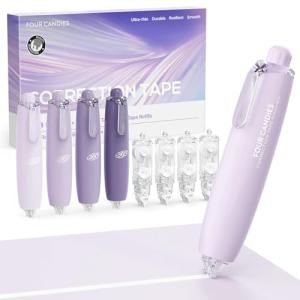
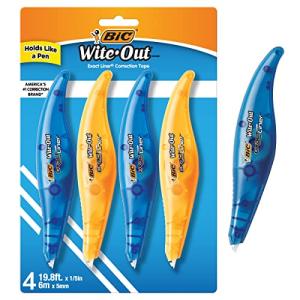
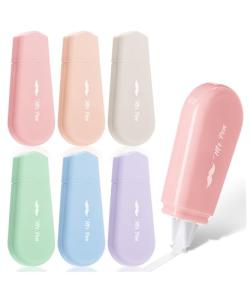
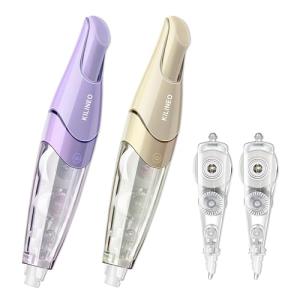
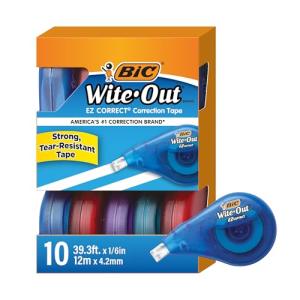
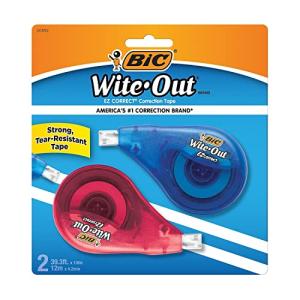
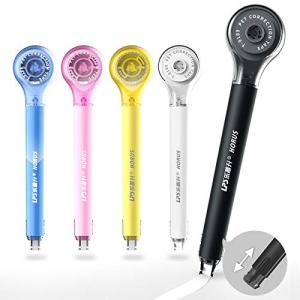
Maintenance & Troubleshooting
Most tape jams can be resolved by manually rotating the take-up spool with a small flat-head tool to restore internal tension. Periodically cleaning the application tip of adhesive residue ensures a flat, snag-free transfer of the white-out film to the paper surface.
Common Failure Modes
Mechanical precision is vital for smooth application; however, several factors can disrupt the delicate tape-to-paper transfer process.
- Plastic teeth can smooth out over time, leading to gear tooth wear; avoid fast, jerky strokes to prevent the internal spools from skipping.
- The film may lose its tackiness due to adhesive bond failure; store pens in a cool environment to ensure the ribbon sticks instantly to the page.
- A hard drop often causes impact fracture; inspect the tip for micro-cracks that can snag the tape and cause it to tear mid-stroke.
- Pulling the tape too quickly triggers spring elasticity loss; if the tape becomes loose, use a finger to manually rewind the drive gear to take up the slack.
- Aging chemicals in the ribbon lead to plasticizer migration; replace old pens if the tape becomes excessively brittle or fails to release from the carrier film.
- Heavy-handed use results in structural warping; apply only enough pressure to engage the tip, as bending the guide wings will lead to uneven tape tracking.
Environmental Stress Factors
The chemical stability and physical performance of correction tape are highly sensitive to the surrounding office or classroom environment.
- Soggy paper fibers caused by high humidity acceleration prevent proper bonding; store your stationery in a dry drawer to maintain a clean, instant-dry application.
- Internal grit buildup from a dust load can jam the rotational spools; keep the protective tip cap closed when the pen is not in use to seal out debris.
- Leaving pens in hot environments causes temperature extremes; avoid glovebox storage to prevent the internal plastic spools from warping and the adhesive from melting.
- Direct sunlight leads to high UV exposure; keep your desk set out of windows to prevent the white pigment from yellowing and the plastic housing from becoming brittle.
Key Components
Each correction pen is a complex assembly of parts designed to deliver a smooth, flat layer of white-out film.
- The dispensing mechanism acts as the regulator; ensure the tensioner is correctly seated to provide a consistent release of the correction ribbon.
- The rotational drive assembly handles the heavy lifting; synchronized gears are essential to prevent the supply and take-up reels from tangling.
- The outer polymer shell is the first line of defense; choose high-impact ABS plastic housings to better withstand the stresses of daily transport.
- A smooth gear transmission translates hand movement into motion; periodically check for smoothness to catch internal wear before the pen jams permanently.
- The carrier base provides the structural substrate; high-quality polyester bases are less likely to snap under tension than cheaper paper-based alternatives.
Related Categories
If you are researching professional workspace organization and reliable writing tools, you may also want to review the failure expectations for these related devices:
- Keep your correction tools organized and upright to prevent tip damage using pen pencil holder.
- For protecting multiple sets of stationery from dust and impact, consider mini drawer sets.
- To ensure your corrections blend perfectly with your writing style, look into the durability of gel ink pen multicolor.