Maintenance & Troubleshooting
Regularly clearing out the internal debris at the bottom of the vessel prevents abrasive grit from permanently etching the interior finish. Using a pH-neutral microfiber cloth instead of paper towels ensures that the protective polymer shell remains free of the micro-scratches that lead to visual clouding.
Common Failure Modes
Even simple desktop accessories can experience degradation over time due to frequent use and material fatigue.
- Repeated cleaning with harsh chemicals can eventually lead to Surface Scratching. Solution: Use only distilled water and a soft cloth to preserve the clarity of acrylic or plastic surfaces.
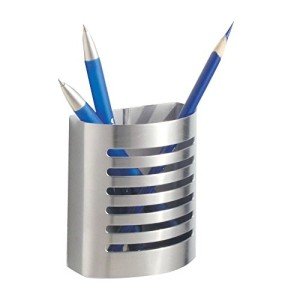
- Metal cups kept in humid offices may suffer from Corrosion. Solution: Apply a thin layer of carnauba wax to the metal exterior to create a hydrophobic barrier against moisture.
- Inexpensive plastic organizers often face Stress Cracking when overfilled. Solution: Limit weight by distributing heavy metal-barrel pens across multiple containers to reduce localized pressure on the base.
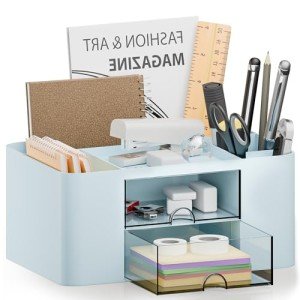
- The visual clarity of clear organizers is often ruined by Acrylic Clouding. Solution: Keep organizers away from direct sun and avoid ammonia-based cleaners which chemically attack the polymer chains.
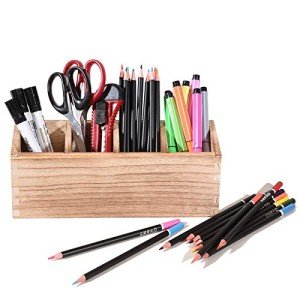
- Decorative finishes on wooden or painted holders may begin Coating Peeling. Solution: Use a coaster for nearby beverages to prevent the capillary action of moisture from lifting the finish.
- Organic buildup in the base of a holder can unfortunately lead to Mold Growth. Solution: Wipe the interior base with a mild vinegar solution once a month to neutralize spores introduced by contaminated stationery.
Environmental Stress Factors
The atmosphere of your office or home studio plays a significant role in the longevity of your desk accessories.
- Placing your desk near a sunny window can cause High UV Exposure. Prevention: Choose metal or bamboo options for high-sunlight areas, as they lack the photo-degradation vulnerabilities of standard plastics.
- Internal surfaces often collect a significant Dust Load. Prevention: Periodically use compressed air to blast out the bottom of the cup, preventing dust from becoming an abrasive paste when mixed with leaked ink.
- Materials like wood or bamboo are susceptible to High Humidity Acceleration. Prevention: Maintain a stable indoor humidity level between 30% and 50% to prevent the organic fibers from swelling and splitting.
Key Components
Quality pen cups are engineered with specific features to ensure stability and protect your desktop surface.
- The primary Structural Housing defines the volume. Check: Look for seamless construction to ensure that leaked ink remains contained within the vessel rather than dripping onto the desk.
- A robust Polymer Shell is often used in modern designs. Check: Opt for high-impact polystyrene (HIPS) or thick-walled acrylic to ensure the container won't shatter if knocked off the desk.
- Many high-end holders utilize a specialized Adhesive Bond Layer for padding. Check: Periodically press the base padding to ensure the bond hasn't dried out, which can cause the cup to slide or scratch the desk.
- For modular or weighted designs, a strong Fastener System is vital. Check: Tighten any base-weight screws annually to prevent the center of gravity from shifting and causing a tip-over.
- External aesthetics are maintained by a protective Surface Coating. Check: Inspect for "orange peel" textures or bubbling, which are early signs of coating failure that could lead to staining.
Related Categories
If you are researching full-room setups, you may also want to review the failure expectations for these related devices:
- To keep small items like paperclips and tacks organized, consider how Sticky Note Holders manage different material stresses.
- For those optimizing ergonomic height, Desktop Shelf Risers offer a completely different set of structural load-bearing concerns.
- If you frequently move your workspace, review the durability of Clipboard Organizers designed for portable hardware protection.