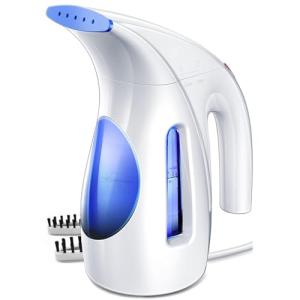
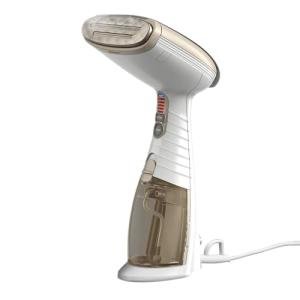
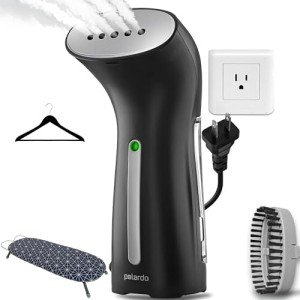
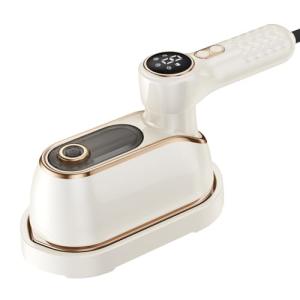
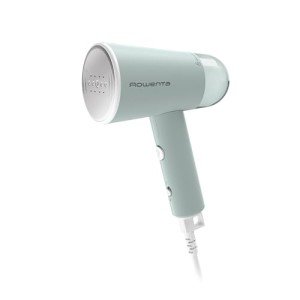
Maintenance & Troubleshooting
Preventing total heater failure starts with using distilled water to eliminate the calcium deposits that cause thermal hotspots and pump strain. Periodically flushing the system with a mild descaling solution can restore steam velocity and protect the internal electrical contacts from moisture-driven oxidation.
Common Failure Modes
Even the most robust portable steamers can encounter operational hurdles due to repetitive thermal cycles and mechanical stress.
- Internal heating elements frequently suffer from heater burnout; always ensure the reservoir is at least one-quarter full to prevent the dry-firing that snaps the element.
- Intense heat generation leads to heat cycling fatigue; allow the unit to cool completely between garments to prevent the internal housing from warping or cracking.
- Users may notice insulation breakdown; if the handle feels hot to the touch, inspect the internal thermal gaskets for thinning or displacement.
- Frequent movement during travel can cause joint loosening; check for internal rattling and tighten accessible casing screws to prevent the pump assembly from shifting.
- Electrical components are susceptible to contact oxidation; store the steamer in a dry environment to ensure the activation switch maintains a clean electrical bridge.
- The high-pressure boiling chamber may result in pressure system stress; monitor for steam escaping from the trigger or base, which indicates a seal failure in the manifold.
Environmental Stress Factors
The longevity of your garment steamer is heavily influenced by the quality of your water and the storage environment.
- The primary cause of reduced flow is hard water buildup; use distilled water exclusively to prevent calcium from choking the steam nozzles.
- Laundry room storage can lead to high humidity acceleration; place a desiccant pack in the storage bag to protect internal metal contacts from corrosion.
- Exposure to a high dust load can obstruct intake vents; wipe the exterior and vents with a dry cloth weekly to ensure the motor doesn't overheat.
- Operating the device in temperature extremes makes plastics brittle; allow a device stored in a cold car to reach room temperature before filling with water to prevent the tank from cracking.
Key Components
A compact steamer relies on a precise synchronization of electrical and mechanical parts to produce dry, consistent steam.
- The heating element is the thermal core; look for stainless steel or ceramic-coated units for better resistance to mineral corrosion.
- To prevent meltdown, the sensor system acts as a fail-safe; test the auto-shutoff feature regularly to ensure the thermal fuse is active.
- The exterior is protected by a polymer shell; inspect for hair-line fractures that could compromise the user's grip or allow moisture to reach the electronics.
- The internal wiring harness must be heat-shielded; verify that the device carries recognized safety certifications for high-wattage thermal protection.
- The dispensing mechanism includes the atomizing nozzle; use a soft needle to clear blockages from the plate without enlarging the precision holes.
Related Categories
If you are researching full-wardrobe maintenance and textile durability, you may also want to review the failure expectations for these related items: