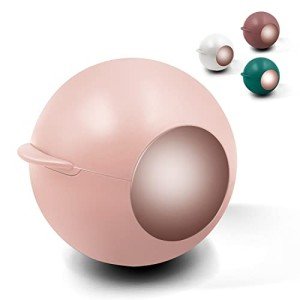
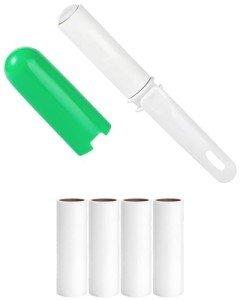
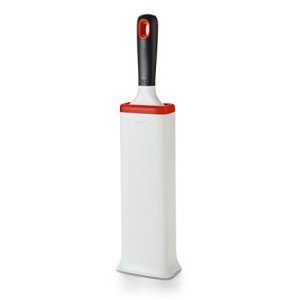
Maintenance & Troubleshooting
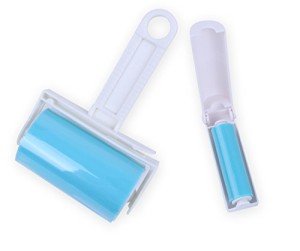
Regularly clearing stray fur from the side gaps of the roller prevents internal bearing jams that lead to uneven spinning. For silicone-based tools, washing with a surfactant-free soap is critical to prevent a waxy film from neutralizing the material's natural tackiness.
Common Failure Modes
Even the most durable cleaning tools can succumb to mechanical wear and material degradation over time.
- To prevent abrasive wear, inspect the casing for burrs before use on silk to ensure the plastic hasn't developed sharp edges from contact with rougher floor surfaces.
- Address bearing wear by removing the roller core monthly and wiping the pivot points to prevent trapped grit from seizing the rotation.
- Avoid joint loosening by checking the handle threads for debris before assembly, ensuring a flush fit without over-torquing the plastic.
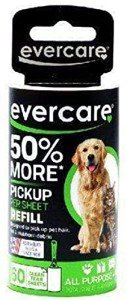
- Counter adhesive bond failure by storing refills in a climate-controlled environment to prevent the core glue from drying out and releasing the sheets.
- Stop impact fracture by avoiding hanging heavy tools on the same hook as the roller, as side-impacts easily shatter the lightweight plastic frames.
- Mitigate cyclic fatigue failure by depressing the release tabs gently when swapping rolls rather than prying them back with force.
- Reduce surface scratching on reusable models by rinsing the roller under running water before use to flush away hard particles that act as sandpaper.
Environmental Stress Factors
Storage conditions and ambient pollutants significantly impact the efficacy of adhesive and static-based removers.
- Prevent a heavy dust load by keeping the protective cover on your roller when not in use, ensuring the adhesive isn't neutralized by airborne particles.
- Combat pet hair clogging by using a small brush to clean the axle housing, as hair wrap is the leading cause of motor-assisted and manual roller failure.
- Avoid plasticizer migration by keeping your travel rollers out of glove boxes during summer months to prevent the handle from becoming permanently tacky or oily.
- Shield tools from UV embrittlement by storing them in opaque bins, as sunlight rapidly breaks down the polymer chains in the plastic handle.
Key Components
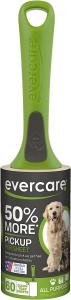
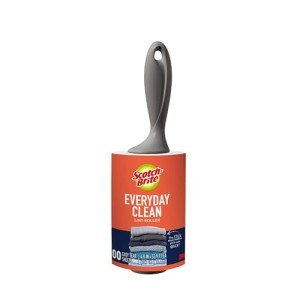
A high-performance hair remover relies on specialized parts to ensure smooth rotation and maximum debris capture.
- The rotational drive should be inspected for smooth movement; if it squeaks, a tiny drop of dry lubricant on the axle can restore performance.
- A rigid structural housing is essential for upholstery cleaning where significant lateral pressure is needed to lift embedded fur.
- The polymer shell of the grip should be made of ABS or reinforced plastic to resist the chemical breakdown caused by skin oils over time.
- Verify that the active ingredient in your reusable gel is "self-healing," meaning it regains 100% of its tackiness once the surface oil is washed away.
- Test the dispensing mechanism for clean perforations; ragged sheet edges often lead to multiple sheets peeling off at once.
- Internal fastener system components must be flush-fit to ensure they don't snag on the fabric being cleaned.
Related Categories
If you are researching pet hair management and garment care, you may also find the failure expectations for these related devices useful: