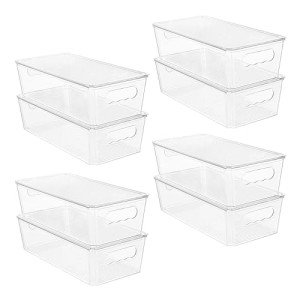
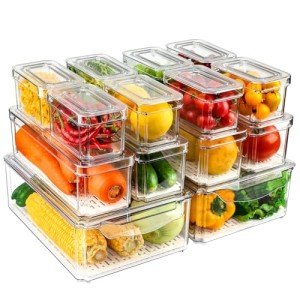
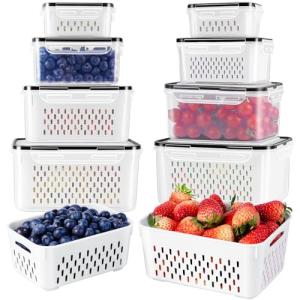
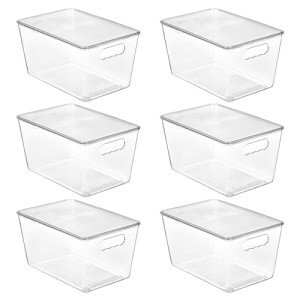
Maintenance & Troubleshooting
Maintaining optical clarity and structural strength depends on avoiding high-heat sterilization and abrasive particulates that create micro-scratches. Regular inspections for "spider-web" crazing at the handle attachment points can alert you to imminent failure before a bin collapses during retrieval.
Common Failure Modes
While engineered for resilience, clear bins can experience physical degradation over time due to improper handling or material aging.
- Repeated mechanical pressure from overstuffing can eventually lead to stress cracking; avoid wedging oversized glass jars into the corners to preserve material integrity.
- Harsh scrubbing or contact with abrasive food particles often results in unsightly surface scratching; use only microfiber cloths and liquid soaps to prevent dulling the finish.
- Aggressive chemical cleaners can react with the polymer, causing permanent acrylic clouding; stick to pH-neutral detergents to maintain the transparency of the bin walls.
- Dropping a chilled bin onto a hard floor frequently causes an immediate impact fracture; allow bins to reach room temperature before handling them outside the refrigerator to regain material flexibility.
- Placing these organizers in high-heat dishwashers often leads to irreversible heat warping; hand-wash exclusively in lukewarm water to prevent the base from losing its flat profile.
- Consistent overloading beyond the material's weight capacity may result in overload deformation; distribute heavy liquids across multiple bins to prevent the side walls from bowing outward.
Environmental Stress Factors
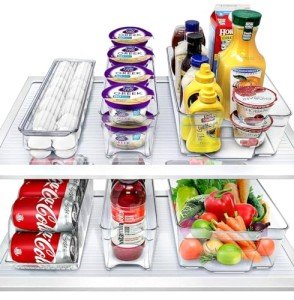
The unique environment of a refrigerator subjects storage bins to specific localized stressors that impact long-term clarity and strength.
- Exposure to rapid cooling and warming cycles during cleaning causes temperature extremes; mitigate this stress by avoiding the use of hot water on bins immediately after removal from the freezer.
- Using incompatible sanitizing agents can create a cleaner compatibility conflict; avoid ammonia-based sprays which can trigger chemical crazing in the polymer structure.
- Storing these bins near windows or under bright kitchen lights leads to UV embrittlement; keep secondary storage units away from direct sunlight to prevent the plastic from turning yellow and brittle.
Key Components
Every bin is designed with specific architectural elements to ensure food safety and ease of use in cold temperatures.
- The primary polymer shell provides essential transparency; look for BPA-free, high-density resins that offer a balance of clarity and flexural strength.
- Integrated handles are reinforced parts of the structural housing; inspect these regularly for hairline fractures caused by the high torque of pulling a fully loaded bin.
- The smooth base serves as a sliding rail; ensure your refrigerator shelves are free of grit to prevent the bottom of the bin from becoming heavily abraded.
- Specialized non-slip feet utilize an adhesive bond layer; if these detach due to moisture, replace them with food-safe silicone bumpers to maintain stability.
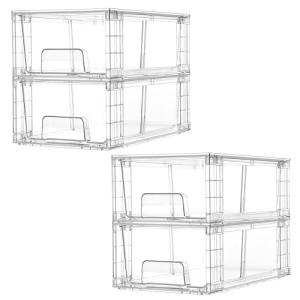
- The open-top design functions as an airflow ventilation system; avoid stacking bins too tightly together to allow for the consistent convection cooling required for perishables.
Related Categories
If you are researching full-fridge setups, you may also want to review the failure expectations for these related hardware categories: