Maintenance & Troubleshooting
Proactive terminal cleaning and tension-free cable routing prevent the high-resistance shorts that typically kill portable LEDs. Monitoring for dimming patterns helps identify whether a failure is a simple cell depletion or a more complex control board malfunction.
Common Failure Modes
Even the highest quality decorative lights can encounter technical hurdles over time due to frequent handling or electrical wear.
- Voltage output drops as cells age, leading to battery fade; test with a multimeter and replace high-drain alkaline cells with low-discharge NiMH rechargeables to maintain consistent brightness.
- Mechanical friction eventually causes switch contact wear; clean the internal toggles with electronic contact cleaner to restore reliable power-on cycles.
- Physical impact or drops trigger solder joint crack incidents; avoid placing battery packs where they can fall, as shock fractures the brittle connections.
- Running units in enclosed glass containers leads to thermal overload stress; ensure adequate ventilation around the diodes to prevent heat-induced lumen depreciation.
- Repeated shaping of the strand results in cyclic fatigue failure; use wide-radius bends when decorating to avoid snapping the delicate copper cores.
- Electrolyte leakage from aging cells causes corrosion; remove all batteries if the lights will be stored unused for more than 30 days.
Environmental Stress Factors
The bedroom environment presents unique challenges that can affect the clarity and longevity of your LED string lights.
- Nighttime respiration increases local high humidity acceleration; protect outdoor-rated packs even indoors to prevent terminal oxidation.
- Constant solar exposure via windows induces UV embrittlement; choose strands with PVC or silicone coatings rather than thin lacquer to prevent insulation cracking.
- Static attraction creates a significant dust load; wipe the strand with a microfiber cloth monthly to prevent particulates from insulating heat and dimming the diodes.
Key Components
Familiarizing yourself with the anatomical makeup of your LED set helps in selecting the right product for your specific needs.
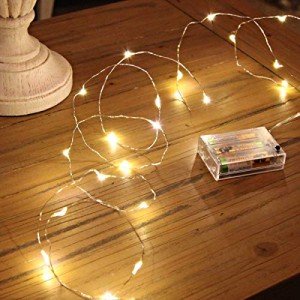
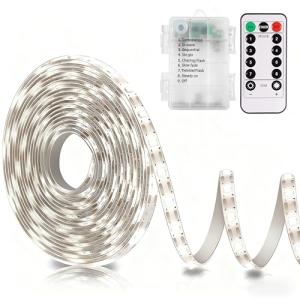
- The primary battery system is the most likely point of failure; look for housings with robust latches and silicone gaskets.
- Understanding how electronic control boards manage smart storage and where they break down reveals why specific timer functions may fail during low-voltage states.
- A durable polymer shell protects the LED chips from physical crushing when tucked into tight bedside corners.
- The integrated wiring harness must be gauged appropriately to handle current without significant resistive heating over long distances.
- In remote-capable sets, the sensor system requires a clear line of sight and stable voltage to interpret IR or RF signals correctly.
Related Categories
If you are researching full-room setups, you may also want to review the failure expectations for these related devices: