Maintenance & Troubleshooting
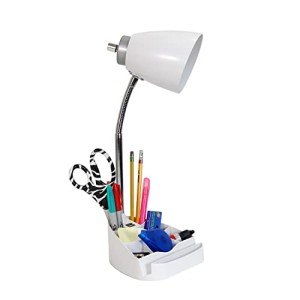
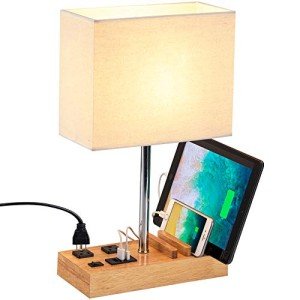
Maintaining an integrated lamp-storage unit requires periodic cleaning of electrical contact points and tightening of mechanical pivot joints to prevent arcing and sagging. Proactive inspections of the power supply system ensure that charging ports don't degrade the lifespan of your connected mobile devices.
Common Failure Modes
Integrated furniture electronics are subject to specific mechanical and electrical stresses over time.
- Constant plugging and unplugging leads to contact oxidation; use a shot of electronic contact cleaner annually to maintain a stable power connection.
- Cramming items into storage bins blocks airflow, causing thermal overload stress; ensure the transformer vents remain clear of paper or fabric journals.
- Frequent adjustment of the lamp neck results in joint loosening; periodically tighten the base nut or pivot screws to prevent the head from drooping.
- Sensitive USB ports are prone to voltage sensitivity; always use a high-quality surge protector to prevent line noise from frying the dimming circuitry.
- Repeated physical pressure causes switch contact wear; if the light flickers, the internal spring may be failing and requires a standard rocker switch replacement.
- Hard objects like keys cause surface scratching; line the storage bins with adhesive felt or a silicone mat to preserve the finish.
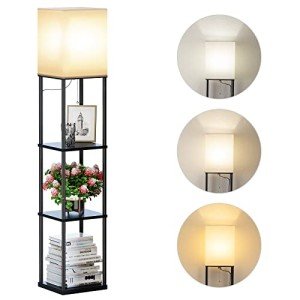
- Overloading the integrated shelves leads to small hardware failure; strictly adhere to the manufacturer's weight limit to prevent the brackets from shearing off the base.
Environmental Stress Factors
The bedroom environment presents unique challenges that can affect the longevity of your multipurpose lamp.
- An accumulated dust load acts as an insulator that traps heat; use compressed air to blow out charging ports and LED heatsinks every few months.
- In humid climates, high humidity acceleration corrodes internal copper traces; keep the unit away from humidifiers to prevent short-circuiting.
- Constant high UV exposure bleaches fabric and weakens polymers; rotate the lamp or use a UV-protective spray on the shade to prevent material embrittlement.
Key Components
High-performance bedside storage lamps rely on a synergy of electrical and structural parts.
- The power supply regulates the current; look for units with UL-listed transformers to ensure stable 5V output for mobile charging.
- A heavy structural housing is essential for a low center of gravity; metal or weighted resin bases prevent tipping when the lamp arm is fully extended.
- Complex electronic control boards manage touch dimming; check for boards with heat sinks to ensure the "smart" features don't burn out.
- The wiring harness must be insulated against heat; braided sleeves offer better protection against the internal temperatures of high-wattage bulbs.
- A polymer shell provides a durable exterior; high-impact ABS is less likely to crack than cheaper plastics when the storage bins are frequently accessed.
- The fastener system secures the assembly; look for threaded metal inserts rather than screws driven directly into plastic to ensure long-term stability.
Related Categories
If you are looking to optimize your bedside organization or lighting setup, you may also find our research on these related categories helpful: