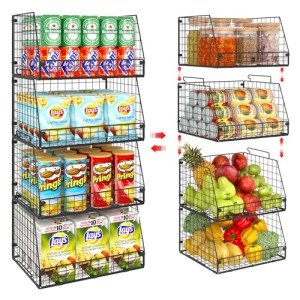
Maintenance & Troubleshooting
Maintaining a vertical storage tower requires specific attention to weight distribution and the supple nature of the base gaskets to prevent a structural collapse. Regularly inspecting the interlocking tabs for stress whitening allows you to replace a single compromised unit before it causes the entire stack to tip.
Common Failure Modes
Vertical storage systems are subject to unique mechanical pressures that can lead to structural or functional compromise over time.
- To mitigate cyclic fatigue, rotate the position of bins in your stack periodically so the same lid is not always bearing the maximum downward force.
- Prevent overload deformation by placing heavy bulk grains in the bottom container and lighter snacks in the upper tiers to maintain a low center of gravity.
- Use soft microfiber cloths rather than scouring pads to avoid surface scratching, which preserves clarity and prevents bacteria from nesting in micro-grooves.
- Check for stress cracking around the corners after any accidental drop, as these small fractures can expand under the weight of a stacked load.
- Combat seal compression by occasionally removing the lid to allow the silicone gasket to "breath" and return to its original uncompressed height.
- Keep containers at least 12 inches away from stovetops to avoid polymer softening, which can lead to the plastic losing its structural rigidity.
- Gently engage locking tabs to prevent small hardware failure; if a tab feels resistant, realign the lid rather than forcing the snap.
Environmental Stress Factors
External conditions within your kitchen or pantry can significantly impact the longevity and safety of your stacking containers.
- In areas of high humidity, ensure the exterior of the bin is bone-dry before stacking to prevent moisture from becoming trapped between the base and lid.
- Protect your investment from UV embrittlement by storing clear canisters inside a closed cabinet or away from direct afternoon sun.
- Wipe down the locking tracks monthly to remove the dust load from flour or spices that can act as an abrasive and grind down the seal.
- Consult the resin identification code before cleaning to avoid a cleaner compatibility conflict; stick to mild dish soap to prevent chemical crazing.
Key Components
The performance of a vertical pantry set relies on the synergy of its material design and mechanical sealing parts.
- The structural housing is the backbone of the system and must feature reinforced vertical pillars to distribute the weight of the stack.
- A high-performance seal gasket is necessary to keep contents fresh while the container is under the physical pressure of a vertical load.
- The polymer shell determines the drop-resistance and long-term transparency of the bin.
- Lid-integrated dispensing mechanisms allow for access without unstacking the entire tower, reducing mechanical wear on the fasteners.
- The fastener or interlocking groove is what prevents lateral sliding and maintains the vertical alignment of the set.
- Reliability of the airtight seal often comes down to the spring elastic component, which ensures the lid stays engaged with constant tension.
If you are researching vertical organization, you may also find the technical specifications and failure modes of these related categories useful: