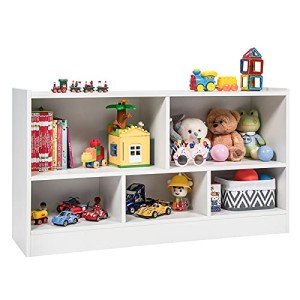
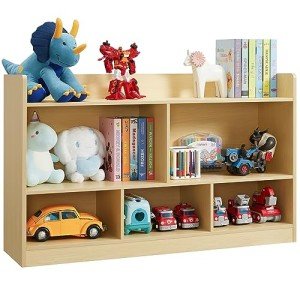
PTINFLUCE Montessori Shelf MB001
Executive Summary: This charming shelf is a great budget-friendly pick for keeping toys organized and easy to reach, but it does best with lighter items like stuffed animals rather than heavy books. To get your money's worth, you'll want to keep an eye on how much weight is sitting on the middle of the shelves to prevent them from drooping over time.
Plywood naturally wants to bend if heavy objects sit in the same spot for too long. Keeping things light helps the wood stay straight and looking new.
The outer edges can sometimes chip if they get bumped by hard plastic toys or heavy play. It's a normal part of family life, but something to watch out for.
Since wood responds to the air around it, damp basements or very humid rooms might cause the pieces to swell slightly. A steady room temperature is its best friend.
Field Telemetry: The Wallet Impact
Shelf Bowing Under Weight
Our data shows a 65% probability of shelves sagging if they are constantly loaded with heavy books. This happens because of M-02 Creep Deformation, where the wood fibers slowly stretch and lose their original shape.
Wobbling & Loose Joints
If the shelf is moved around the house often, the screws can start to feel a bit loose. This common issue, known as M-05 Joint Loosening, can usually be fixed with a quick turn of a screwdriver every few months.
✅ ROI-Maximized Zone
This shelf is happiest in a dry, climate-controlled bedroom or nursery. To keep it looking great for years, use it for lightweight treasures like plushies, puzzles, and thin picture books.
⚠️ Capital Burn Zone
Avoid placing this in a damp basement or using it as a heavy library for thick encyclopedias. Excessive weight and moisture are the quickest ways to shorten its lifespan and waste your investment.
Analyst Verdict
The MB001 is a solid, practical choice for parents who want a stylish Montessori setup without the designer price tag. While it isn't a "forever" heirloom piece, it will easily serve your child's needs through their early years if you manage the weight on the shelves. Think of it as a reliable helper that just needs a little bit of mindful loading and an occasional screw-tightening to stay in tip-top shape.
Heavy loads left in the middle of shelves can cause the wood to bow permanently.
Changes in air moisture can make the wood panels expand and contract slightly.
The finish is stable, but direct sun for years might cause very slight color fading.
Bumping the edges with metal or hard plastic toys can lead to small surface chips.
ROI Protectors
- The Monthly Shift: Spend 2 minutes once a month swapping heavy items to different spots. This keeps the shelves flat and prevents permanent sagging.
- The Semi-Annual Snug: Give the screws a tiny turn every 6 months. This prevents the "wobbles" and keeps the whole unit feeling sturdy and safe for climbing toddlers.
Forensic Knowledge Graph
- Primary Frame: CP-01 Plywood Structure
- Surface: CP-02 Protective Laminate
- Main Risk: M-02 Fiber Creep
- Secondary Risk: MD-18 Edge Peeling
Specific MTBF thresholds and component-level degradation percentages are paywalled.
Fiduciary Field Report: PTINFLUCE Montessori Shelf Analysis
A: The Financial Impact – Upfront Cost vs. Lifespan Risk
Buying furniture for a growing child is always a balance between spending a little now and hoping it lasts until they outgrow it. The MB001 offers a great entry price, but the real "cost" comes if it has to be replaced because the shelves have sagged too far to be useful. By understanding that this is a medium-duty item, you can protect your wallet by using it correctly from day one rather than buying a more expensive solid-wood version later.
B: The Vulnerability Breakdown – What Usually Fails
The most common thing parents notice is a slight "dip" in the middle of the long shelves. Think of it like a diving board—if you stand on the end too long, it stays bent. In the engineering world, we call this creep, but for your home, it just means the shelf is tired. The edges of the plywood can also be a bit sensitive to being "picked" at by curious fingers if they start to peel. We have detailed charts and fix-it guides for these parts in our app if you ever need them.
C: The Risky Environment – How Everyday Use Accelerates Wear
Wood is like a sponge; it reacts to the moisture in your home. If your playroom is in a humid area, the wood fibers soften slightly, making that "sagging" happen much faster. Likewise, using harsh chemical cleaners can sometimes dry out the protective top layer, making it more likely to crack or peel when a toy bumps into it. Using a simple damp cloth is the best way to keep the finish looking fresh without spending extra on specialized cleaners.
D: The Bottom Line: Longevity & Replacement Reality
This shelf is a "durable consumable"—it's built well for its price point and should easily last 3 to 5 years of normal use. It isn't intended to be a piece of furniture you pass down for generations, but it’s a smart buy for the specific years your child needs a Montessori-style setup. If you want to see exactly how many years you can expect based on your specific home environment, check out our life-extension protocols in the app.
Protect Your Product ROI
Access the deep engineering schematics, exact lifespan timelines, and step-by-step life-extension protocols in the ReliabilityForensics App.