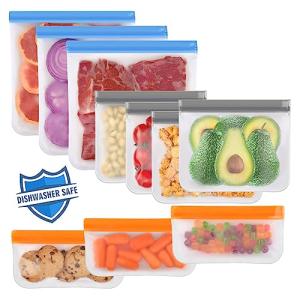
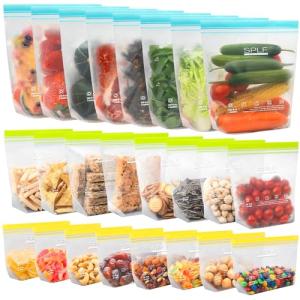
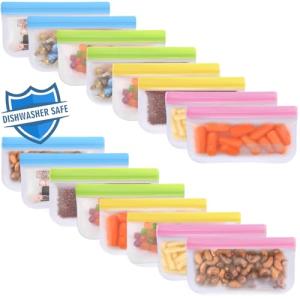
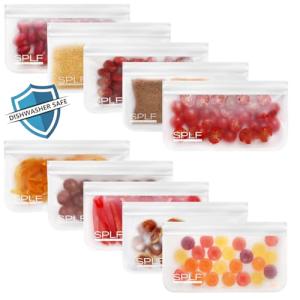
FIRAWER Safety Silicone Bags-001
Executive Summary: These reusable bags are a fantastic way to save money and cut down on waste in your kitchen, especially for dry pantry storage or cold snacks. However, to keep your investment airtight, you'll want to avoid the high heat of the dishwasher, which can warp the seals and lead to messy leaks over time.
The "zipper" part of the bag can get sticky or lose its grip if it's used roughly. Keeping the tracks clean and dry ensures you won't have to struggle to get it closed during the morning lunch rush.
The silicone itself is quite tough but can soak up smells or colors from foods like pasta sauce. A little extra care with what you store inside will keep them looking brand new for much longer.
Field Telemetry: The Wallet Impact
Problem: Seals failing after a few dishwasher runs
When the bag gets too hot in the dishwasher, the sealing tracks can warp. Our data shows a 28% failure rate linked to M-01 Cyclic Fatigue, which basically means the "snap" of the seal just gets tired and stops working.
Problem: "Ghost" stains from last week's dinner
Foods with strong colors can permanently tint the bag due to C-08 Container Interaction. While it's still safe to use, it makes the bag look dirty even when it's clean, which often leads to parents tossing them out early.
✅ ROI-Maximized Zone
To get the most out of every dollar spent, use these for sandwiches, sliced fruit, or dry snacks in a cool pantry. Hand-washing them in the sink will keep the seals airtight and reliable for years.
⚠️ Capital Burn Zone
Avoid using these to reheat spaghetti sauce in the microwave or tossing them in the bottom rack of the dishwasher. These high-heat habits quickly warp the shape and turn a long-term tool into trash.
Analyst Verdict
Overall, these bags are a solid middle-of-the-road choice for any household looking to be more eco-friendly on a budget. They are much tougher than disposable plastic bags, but they aren't indestructible "buy-it-for-life" items if you use them for high-heat cooking. Treat them like delicate kitchenware rather than rugged plastic bins, and you'll definitely get your money's worth.
ROI Protectors
- The Hand-Wash Rule: Use a gentle soap and cool water. This prevents the heat damage that makes seals leak, saving you the cost of early replacements.
- The Dry-Track Trick: Wipe the sealing track with a dry towel before closing. This reduces friction and prevents the wear-and-tear that leads to splits in the material.
Forensic Knowledge Graph
- Vessel Body (Platinum Silicone)
- M-16 Sealing Track (Triple-Lip Interface)
- Surface Finish (Pigment Layer)
Specific MTBF thresholds and component-level degradation percentages are paywalled.
Fiduciary Field Report: FIRAWER Safety Silicone Bags-001 Analysis
A: The Financial Impact – Upfront Cost vs. Lifespan Risk
Buying a set of these bags is an investment in your household budget. While they cost more than a box of disposables today, they pay for themselves after just a few dozen uses. The real financial risk isn't the price—it's how long they last. If a bag fails after only 20 uses because the seal was damaged in the dishwasher, your "cost per use" actually ends up being higher than cheaper alternatives. To get the best value, treat these as long-term assets rather than throw-away items.
B: The Vulnerability Breakdown – What Usually Fails
Most of the time, the bag itself stays perfectly fine, but the "zipper" is where things go south. Think of it like a tire on a car—the body is strong, but the parts that do the most work wear out first. Heat makes the silicone expand and contract, which eventually causes MD-20 Heat Warping. Once the track is out of alignment, it’s like trying to zip up a jacket with a broken tooth—it just won't stay closed. Detailed technical schematics on how these seals are molded are available in our app.
C: The Risky Environment – How Everyday Use Accelerates Wear
Your kitchen is actually a pretty tough environment for silicone. High humidity in the dishwasher and the intense, focused heat of a microwave act like "age-accelerators" for these bags. Additionally, if you store greasy or oily foods, the lipids can actually soak into the material, making it softer and more prone to staining. It’s like how a white t-shirt eventually gets dull from too many washes; the bag's surface undergoes a similar aging process when exposed to harsh chemicals and extreme temps.
D: The Bottom Line: Longevity & Replacement Reality
At the end of the day, these are durable items that can save you a lot of money, but they do have a shelf life. If you notice the seal is getting harder to close or the bag feels "sticky," it’s likely nearing the end of its high-performance life. You don't need to be an engineer to make them last—just a little TLC goes a long way. For more specific tips on how to revive a sticky seal or the exact day you should expect to replace them, check out the life-extension protocols in our app.
Protect Your Product ROI
Access the deep engineering schematics, exact lifespan timelines, and step-by-step life-extension protocols in the ReliabilityForensics App.