Maintenance & Troubleshooting
Preventing seal failure requires a non-abrasive cleaning protocol and complete dehydration of the closure tracks before storage. Residual moisture trapped in the interlocking grooves is the primary catalyst for elastomer hardening and permanent seal warping.
Common Failure Modes
Even the most durable silicone can succumb to specific mechanical and chemical stresses over time through frequent use.
- Repeated opening and closing of the airtight tracks can eventually lead to Seal Compression Fatigue; periodically massage the tracks with a food-safe lubricant to maintain elasticity.
- Sharp utensils or abrasive cleaning tools may cause Surface Scratching; use only soft silicone brushes or sponges to prevent creating bacterial breeding grounds.
- Exposure to high-pigment foods like tomato sauce can result in Coating Peeling; pre-rinse bags with cold water before hot washing to prevent pigments from bonding to the polymer.
- Overstuffing the pouch puts immense pressure on the bonded edges, resulting in Adhesive Bond Failure; always leave at least one inch of clearance below the seal line.
- Leaving bags in the freezer for extended periods can cause Elastomer Harding; allow frozen bags to reach room temperature before attempting to open the seal to prevent cracking.
- Storing bags in damp environments encourages Mold Growth; prop the bags open over a drying rack to ensure the internal tracks are 100% dry before closing them for storage.
- Aggressive detergents might accelerate Polymer Softening; switch to a pH-neutral, eco-friendly dish soap to preserve the silicone's original surface tension.
Environmental Stress Factors
The external conditions of your kitchen and storage areas play a critical role in the integrity of silicone materials.
- Storing your snack bags near windows exposes them to High UV Exposure; store your pouches in a dark drawer or pantry to prevent the breakdown of molecular bonds.
- Washing your reusable pouches in regions with high mineral content leads to Hard Water Buildup; perform an occasional soak in diluted white vinegar to strip away mineral films.
- Using harsh industrial degreasers can lead to a Cleaner Compatibility Conflict; avoid all cleaners containing bleach or ammonia which can cause the silicone to become tacky.
Key Components
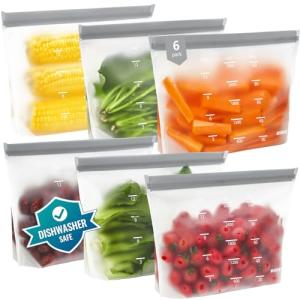
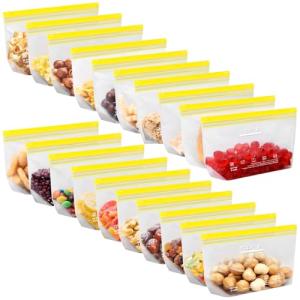
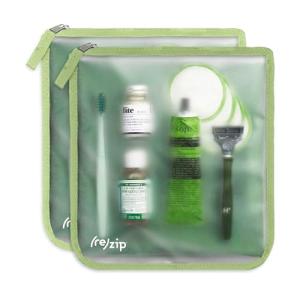
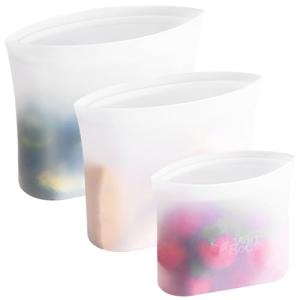
Each bag is precision-molded with specific structural elements designed to protect your food and ensure ease of use.
- The integrity of the airtight closure relies heavily on the Seal Gasket which prevents oxygen from entering and drying out snacks.
- The main body of the pouch is constructed from a reinforced Polymer Shell that provides both flexibility and puncture resistance.
- The external framework and base utilize a Structural Housing design that allows the bag to stand upright for easy filling.
- Certain heavy-duty models feature an integrated Fastener to keep the bags securely attached to backpacks or lunch boxes.
- The smooth interior surface acts as a Barrier that prevents food odors and oils from penetrating deep into the silicone material.
If you are researching full-room setups, you may also want to review the failure expectations for these related devices:
- Keep your snack bags organized and accessible within your pantry using Snack Bag Dispensers for a clutter-free environment.
- For larger leftovers or dry goods, consider researching the durability of Large Airtight Containers that match your eco-friendly goals.
- Organize your refrigerator more efficiently by placing your filled silicone bags inside Clear Fridge Organizer Bins for better visibility.