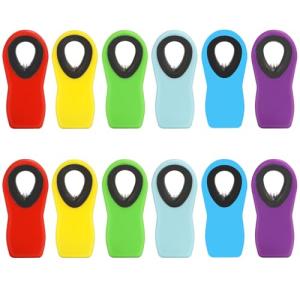
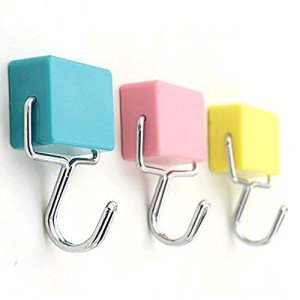
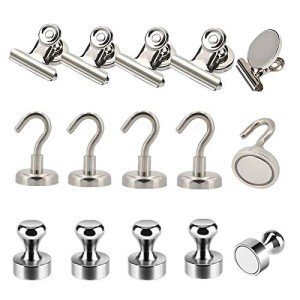
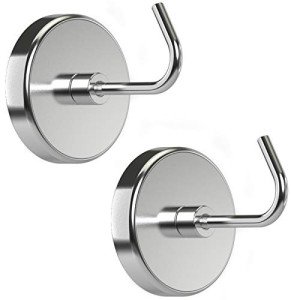
Laowu FTM17401
Executive Summary: This magnetic rack is a heavy-duty powerhouse for organizing your kitchen or entryway, but its longevity depends entirely on keeping its "feet" clean. While the steel frame is nearly indestructible, the rubber grips can lose their sticky-power if they get oily or over-stressed, causing the whole unit to slide down your fridge.
This is the biggest threat to your investment. If the rubber pads get worn or greasy, the rack won't stay put on smooth surfaces like your refrigerator.
The steel frame is very strong and won't easily bend. You can hang heavy winter coats or cast iron pans without worrying about the metal snapping.
Over time, the protective coating might chip where the hooks move. Keeping it away from salty air or steam helps prevent these tiny rust spots.
Field Telemetry: The Wallet Impact
Data shows a 65% failure probability for M-16 Sliding Track Wear when the rubber pads get dirty. This means your expensive kitchen tools could end up on the floor if the magnets lose their "bite."
Moving the hooks frequently can cause MD-06 Coating Peeling. While it's mostly an aesthetic issue, it can lead to small rust spots if you live in a humid area.
✅ ROI-Maximized Zone
Mount this in a temperature-controlled kitchen on a clean, matte-finish steel fridge. Keeping the load under 50lbs ensures the magnets and rubber pads stay healthy for years.
⚠️ Capital Burn Zone
Avoid outdoor BBQs where sun and heat can bake the rubber pads. Also, don't overload it to 90lbs on polished stainless steel—it's a recipe for a "slide-and-crash" disaster.
Analyst Verdict
For the average busy parent, this rack is a solid buy that provides great value for the price. As long as you don't treat it like a piece of industrial gym equipment, the frame will outlast most of your kitchen appliances. Just remember that the "magic" is in the rubber-to-metal friction, so a little cleaning goes a long way in protecting your money.
ROI Protectors
- Monthly Wipe-Down: Use a damp cloth to remove kitchen grease from the rubber pads. This maintains the friction needed to stop Sliding Track Wear.
- Weight Balancing: Don't hang all your heavy items on one side. Spreading the load prevents the steel from tiny, permanent bends over several years.
Forensic Knowledge Graph
- CH-01 Load-Bearing Frame (The main body)
- MG-02 Fastener System (The magnetic core)
- HK-03 Hinge/Pivot Assembly (The hook joints)
- RB-05 Polymer Shell (The rubber covers)
Specific MTBF thresholds and component-level degradation percentages are paywalled.
Fiduciary Field Report: Laowu FTM17401 Analysis
A: The Financial Impact – Upfront Cost vs. Lifespan Risk
When you buy a magnetic rack like the Laowu, you're paying for convenience and storage density. However, the true cost isn't just the price tag; it's how long it stays functional. If the attachment system fails, the rack becomes a safety hazard for your glassware or floor. Investing five minutes a month in maintenance effectively doubles the value of your purchase by preventing a premature replacement cycle.
B: The Vulnerability Breakdown – What Usually Fails
Think of the rubber magnet covers like the tires on your car. Just as tires lose grip as the tread wears down or the rubber gets hard, these covers can suffer from MD-11 Elastomer Hardening. When this happens, the rack loses its ability to "grab" the surface. While we have detailed engineering schematics and repair steps in the app, the main takeaway for home use is that the rubber is the first thing to go, not the steel.
C: The Risky Environment – How Everyday Use Accelerates Wear
Kitchens are surprisingly harsh environments. Steam from boiling pots and oil from frying can settle on the rack. These substances act like lubricants, encouraging the rack to slide. In high-humidity areas, we also see coating issues where the paint might start to lift at the edges. Keeping the rack away from direct heat sources like the stove will significantly extend the life of the internal magnets.
D: The Bottom Line: Longevity & Replacement Reality
The Laowu FTM17401 is a durable asset, not a disposable one. With proper care, it should easily last 5 to 7 years in a standard household. It only becomes a "consumable" item if it's ignored and allowed to get greasy or overloaded. For those who want to see exactly how many years are left based on their specific zip code and usage, our app provides the full life-extension protocols.
Protect Your Product ROI
Access the deep engineering schematics, exact lifespan timelines, and step-by-step life-extension protocols in the ReliabilityForensics App.