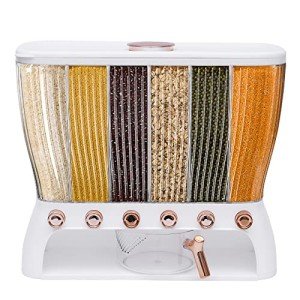
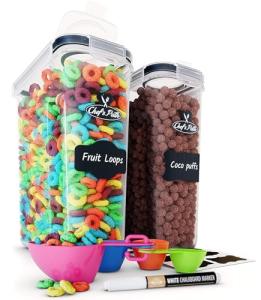
TFCFL Wall Mount Double Dry Cereal Dispenser 1.5L
Executive Summary: This budget-friendly dispenser is great for saving counter space and keeping lightweight snacks handy for the kids. However, the plastic frame can sag if you overfill it with heavy granola, and the turning handles are prone to jamming if not cleaned regularly.
The internal turning paddles take a lot of heat when they rub against tiny food bits. This friction can eventually cause the handle to snap or the rubber to tear.
The back plate has to hold up all that cereal weight day after day. If you fill it to the brim, the plastic might start pulling away from your wall.
Over time, the clear canisters might lose their sparkle or develop tiny cracks. Using harsh dish soaps can speed up this "cloudy" look.
Field Telemetry: The Wallet Impact
The "Sticky Handle" Syndrome
Many parents notice the handle gets harder to turn when using smaller, dense grains. Our data shows a 75% failure rate for M-01 Cyclic Fatigue, meaning the internal parts just get tired of the struggle and quit.
The "Wall Gap" Lean
If you see a gap between the dispenser and the wall, that's M-02 Constant Load Creep in action. The plastic is literally stretching under the weight of your family's favorite breakfast.
✅ ROI-Maximized Zone
Mount this on a cool, dry pantry wall, preferably directly into a wall stud for extra support. It thrives when filled with light, airy snacks like puffed rice or large cereal flakes that won't strain the motor.
⚠️ Capital Burn Zone
Avoid hanging this right next to the stove where steam and heat can soften the plastic. Also, resist the urge to fill it with heavy, oily granola or dense birdseed, which will likely jam the mechanism.
Analyst Verdict
For the price, this dispenser is a handy little helper that makes mornings more fun for the kids, but don't expect it to be a lifelong heirloom. It’s built with budget-friendly materials that will show their age after about a year of heavy daily use. To get the best bang for your buck, treat it gently and don't treat it like a heavy-duty storage bin.
Rough handling or heavy foods can snap the inner wheels.
Sticky air makes cereal dust turn into "glue" inside the gears.
Harsh cleaners can make the clear plastic turn brittle and crack.
Generally safe unless mounted directly over a toaster or stove.
ROI Protectors
- Monthly Dust-Down: Take a minute each month to wipe out the "cereal dust" from the gears. This keeps the handle turning smoothly and saves you from a mid-morning break.
- The 80% Rule: Avoid filling the canisters to the very top. Leaving a little room reduces the constant pressure on the wall mount, helping it stay level for much longer.
Forensic Knowledge Graph
- Main Body: Polymer Shell
- Dispenser: Dispensing Mechanism
- Mounting: Load-Bearing Frame
- Gaskets: Seal/Gasket System
Specific MTBF thresholds and component-level degradation percentages are paywalled.
Fiduciary Field Report: TFCFL Wall Mount Analysis
A: The Financial Impact – Upfront Cost vs. Lifespan Risk
While the low sticker price of the TFCFL dispenser is tempting for a kitchen refresh, it’s important to look at the "cost per bowl." Because it’s made with lighter plastics, if it breaks in 12 months, you're back at the store. Treating it as a "medium-term" helper rather than a permanent fixture helps set the right budget expectations.
B: The Vulnerability Breakdown – What Usually Fails
The most common "ouch" for your wallet happens inside the handle. Think of the internal paddles like a pair of shoes—the more they rub against rough surfaces (like hard granola), the faster they wear out. Eventually, the dispensing mechanism can lose its "spring," leading to a handle that just spins without giving you any cereal. Detailed repair guides for these internal parts are tucked away in the app for when you're feeling handy.
C: The Risky Environment – How Everyday Use Accelerates Wear
Kitchens are busy, humid places, and that "invisible" moisture is a real enemy here. High humidity can make your cereal a bit sticky, which puts way more stress on the plastic gears than dry, crunchy flakes would. Also, keep an eye on surface scratching from abrasive sponges, which can make the clear canisters look old and foggy before their time.
D: The Bottom Line: Longevity & Replacement Reality
Think of this product more like a useful "consumable" for your kitchen organization rather than a permanent appliance. If you follow our ROI Protectors, you can definitely stretch its life, but once the main frame starts to sag or the seals lose their grip, it’s usually more cost-effective to replace the unit. Check the app for our full life-extension protocols to keep yours running as long as possible!
Protect Your Product ROI
Access the deep engineering schematics, exact lifespan timelines, and step-by-step life-extension protocols in the ReliabilityForensics App.