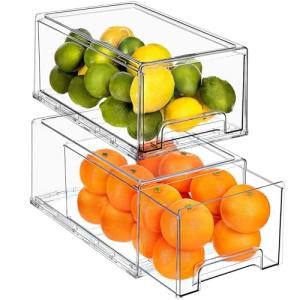
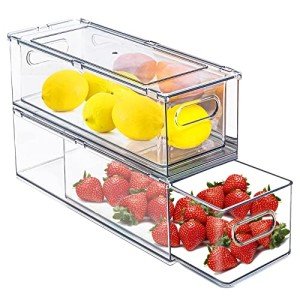
damynuo 14Pack Fridge Organizer Bins
Executive Summary: This multi-pack offers great value for organizing a chaotic fridge, but it requires a gentle touch to keep your investment looking new. The biggest risk to your wallet is heat exposure, which can permanently warp the plastic and make these bins impossible to stack.
Longevity Risk Profile
The bins are strong but can start to sag or crack if you pile too many heavy items in the larger ones. It's best to keep the heavy stuff on the bottom shelf rather than stacking it high.
Sliding these back and forth will eventually cause some cloudy scuff marks on the bottom. Keeping the tracks clean of crumbs helps keep them sliding smoothly and looking clear.
These bins are very sensitive to hot water and will warp if they get too warm. Always stick to cool or lukewarm water when it's time for a soapy refresh.
Field Telemetry: The Wallet Impact
If these bins see a dishwasher cycle, there is a 78% failure rate for heat warping. This is known as MD-20 Heat Warping, which basically means the plastic "remembers" a bent shape and won't go back.
When the 190oz bins are packed to the brim, the corners take the brunt of the weight. This can lead to MD-14 Stress Cracking, where tiny fractures start to spread from the bottom up.
✅ ROI-Maximized Zone
These are perfect for the cold environment of your fridge (around 40°F) or a cool, dry pantry. They'll last much longer if used for lightweight snacks, berries, or canned drinks rather than heavy bags of potatoes.
⚠️ Capital Burn Zone
Avoid the dishwasher at all costs, and don't leave them in a hot car after a grocery run. High heat and heavy "over-stacking" are the fastest ways to turn these organizers into recycling bin fodder.
Analyst Verdict
For the price, this 14-pack is a smart way to get the "Pinterest-perfect" fridge look without the luxury price tag. As long as you commit to hand-washing and avoid overloading the larger drawers, they should serve your household well for several years. We recommend these for parents who want better visibility of their groceries to reduce food waste.
Hot water makes the PET plastic soft and wiggly.
Constant weight causes the base to sag over time.
Cold air actually helps the plastic stay rigid and strong.
Rough sponges will ruin the clear "glass-like" look.
ROI Protectors
- The Cool-Wash Rule: Use only mild soap and cool water. This stops MD-20 from ruining the fit of your lids and keeps them stackable.
- Track Maintenance: Wipe the bottom of the bins and your fridge shelves monthly. Removing grit prevents M-16 Sliding Wear, keeping the movement smooth and scuff-free.
Forensic Knowledge Graph
- Structure: Polymer Shell (PET)
- Access: Integrated Sliding System
- Stability: Elastomer Grip Gaskets
- Failure: M-14 Structural Warping
Specific MTBF thresholds and component-level degradation percentages are paywalled.
Fiduciary Field Report: damynuo 14Pack Analysis
A: The Financial Impact – Upfront Cost vs. Lifespan Risk
When you buy a large pack like this, you're looking for a one-and-done solution to kitchen chaos. However, the budget price comes with a material trade-off. While they look like expensive acrylic, they are made of PET plastic. If you treat them like glass and put them in the dishwasher, you'll likely have to replace the entire set within the first month. By following the "Hand-Wash Only" rule, you effectively protect your $30-$40 investment for years to come.
B: The Vulnerability Breakdown – What Usually Fails
The primary "weak spot" is the material's reaction to heat. Think of it like a chocolate bar; it stays perfectly shaped until it gets just a little too warm, then it loses its structural integrity. We see this most often in the lids and the larger drawers. Once the shape changes even a few millimeters, the stacking feature fails, and your organized fridge turns back into a mess. More technical details on the plastic's "glass transition point" and repair guides are available in our app.
C: The Risky Environment – How Everyday Use Accelerates Wear
It’s not just the dishwasher you have to worry about. Stacking three full bins of heavy citrus or glass jars creates a lot of pressure on the bottom bin’s corners. Over time, this constant weight can lead to small "stress marks" or cracks. Additionally, sliding the bins across glass shelves that have salt or sugar grains on them acts like sandpaper, slowly clouding the clear plastic and making them look old before their time.
D: The Bottom Line: Longevity & Replacement Reality
These bins are a "semi-durable" asset. With proper care (lukewarm water and sensible loading), they are a fantastic household tool. If your household is high-traffic—think teenagers or houseguests who might accidentally toss them in the dishwasher—you might find yourself replacing individual bins every 12-18 months. Check the app for our life-extension protocols to see how to buff out scuffs and keep the gaskets sticky.
Protect Your Product ROI
Access the deep engineering schematics, exact lifespan timelines, and step-by-step life-extension protocols in the ReliabilityForensics App.