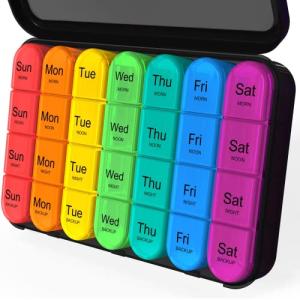
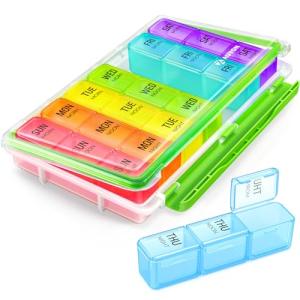
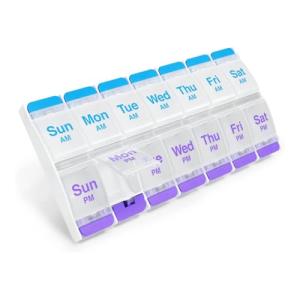
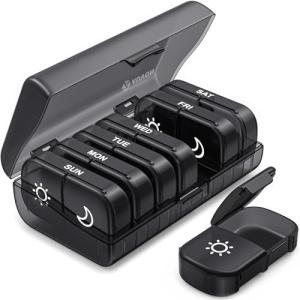
Maintenance & Troubleshooting
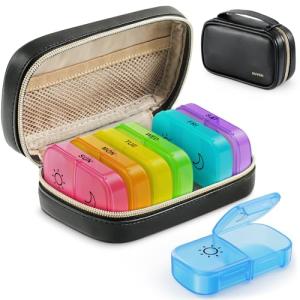
Preserving the living hinges of a pill organizer requires avoiding caustic cleaning agents that strip plasticizers from the polymer. Regularly inspecting the friction points of snap-latches ensures that travel-ready compartments won't accidentally deploy in a bag or purse.
Common Failure Modes
Even the most durable medical-grade plastics are subject to mechanical wear and material breakdown over thousands of open-and-close cycles.
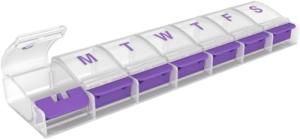
- Repeated operation of lid mechanisms often leads to Hinge Fatigue; apply a tiny amount of food-grade mineral oil to the pivot point to keep the plastic tether flexible.
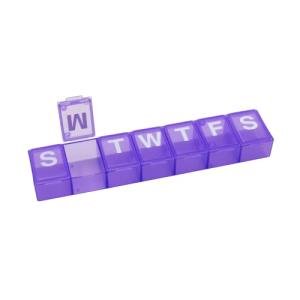
- Daily handling and friction against surfaces can result in Surface Scratching; protect labels by applying a layer of clear packing tape over the day-of-the-week markings when new.
- The structural integrity of snap-locks may suffer from Joint Loosening; if a lid feels loose, use a heat gun on a low setting to slightly reform the plastic tab for a tighter grip.
- Overstuffing compartments with large supplements puts undue pressure on the frame, potentially causing Stress Cracking; redistribute larger softgels to prevent internal tension against the lid edges.
- Over time, the flexible tabs used for opening may experience Small Hardware Failure; inspect for white stress marks on the tabs and replace the unit before the tab snaps off completely.
- If dropped on a hard surface, the rigid plastic body is vulnerable to Impact Fracture; check the base of the organizer for micro-cracks that could lead to moisture ingress.
Environmental Stress Factors
External conditions significantly impact the chemical stability of both the organizer and the sensitive medications stored inside.
- Storing your pill box on a sunny windowsill causes High UV Exposure; keep organizers in a drawer or opaque bag to prevent the polymer from turning yellow and brittle.
- Bathrooms often subject organizers to High Humidity Acceleration; store your organizer in a cool, dry room to prevent gel caps from melting or clumping together.
- Exposing the container to Temperature Extremes in a car can warp the lids; avoid leaving medical plastics in vehicles to maintain the tight tolerance of the snap-fit seals.
- Accumulated particles in the kitchen can lead to a heavy Dust Load; use compressed air to clean out the sliding tracks or lid crevices to ensure smooth mechanical operation.
Key Components
Modern pill management systems rely on a combination of ergonomic design and specialized material science to function safely.
- The outer shell acts as a Structural Housing, which should be inspected for warping to ensure it still holds the internal pods securely.
- Advanced models utilize a Polymer Shell; verify the recycling code on the bottom to ensure the plastic is compatible with your specific cleaning routine.
- Moisture-resistant organizers often include a Seal Gasket; keep this silicone ring free of debris to maintain an airtight environment for hygroscopic pills.
- The integration of a Fastener ensures a positive click; if the "click" sound disappears, the mechanical interference fit has likely worn down.
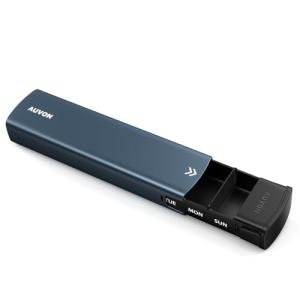
- For multi-dose planners, a Sliding Rail allows for dose removal; keep the rails free of sticky residues to prevent the pods from jamming.
Related Categories
If you are researching comprehensive home health organization, you may also want to review the failure expectations for these related categories: