Maintenance & Troubleshooting
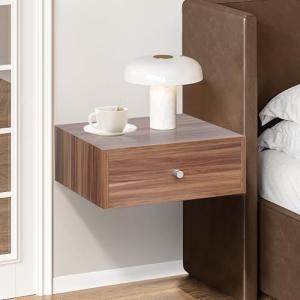
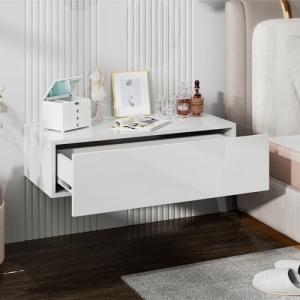
Preserving a floating console requires biannual checks of the mounting torque and frame squareness to prevent permanent sagging. Because these units lack vertical floor support, identifying early signs of fastener backing or joint separation is the only way to avoid catastrophic wall failure.
Common Failure Modes
Precision-engineered furniture can still succumb to physical stresses over time if not monitored correctly.
- Dynamic loading from drawer use often causes joint loosening; apply wood glue or tighten internal cam-locks at the first sign of a wobble to restore rigidity.
- Consistently heavy tabletop items lead to overload deformation; redistribute weight toward the rear mounting plate to reduce leverage on the front edge.
- Grit in the mechanisms causes sliding track wear; clean the rails with a dry microfiber cloth and apply a silicone-based lubricant to ensure smooth travel.
- Heat or moisture can trigger adhesive bond failure; use mechanical brackets to reinforce any panels that rely solely on chemical fasteners.
- Repeated weight cycles result in hinge fatigue; replace worn pivot pins or adjust tension screws to realign sagging doors or drop-down lids.
- Structural shifting near anchors leads to paint microcracking; install a wider mounting cleat to distribute pressure across a larger surface area of the drywall.
Environmental Stress Factors
The atmosphere of your bedroom plays a significant role in the longevity of wall-mounted materials.
- To combat high humidity acceleration that swells wood fibers, maintain a consistent 40-50% humidity level to keep mounting screws securely seated.
- Exposure to sunlight causes UV embrittlement; apply a UV-resistant wax or position the unit away from direct window paths to prevent finish cracking.
- A heavy dust load creates abrasive friction in glides; utilize compressed air to blow out internal tracks monthly to prevent mechanical seizing.
- Seasonal temperature extremes can loosen wall anchors; check the tightness of mounting bolts during the transition between winter and summer.
Key Components
A high-quality floating nightstand relies on several critical internal systems to maintain its "weightless" appearance.
- The load bearing frame serves as the structural spine; prioritize solid wood or high-density plywood over particle board for better screw retention.
- A secure installation relies on a robust fastener system; always use toggle bolts or 3-inch lag screws driven directly into wall studs for cantilevered stability.
- Precision in the sliding rail system prevents binding; look for ball-bearing glides with soft-close dampers to reduce the impact force on the wall.
- The structural housing maintains the unit's shape; check that the back panel is recessed and screwed into the frame for maximum shear resistance.
- For drop-front models, the hinge pivot assembly manages the load; utilize stay-hinges to prevent the door from snapping downward and pulling at the wall anchors.
- A durable surface coating resists chemicals; choose polyurethane or catalyzed lacquer finishes to prevent water rings from bedside beverages.
Related Categories
If you are researching different bedroom layouts or mounting styles, you may also want to review the failure expectations for these related devices: