Maintenance & Troubleshooting
Regularly torque-testing lag bolts ensures that the constant vibration of loading and unloading hasn't backed the fasteners out of the wall studs. Replacing cracked rubber hook covers immediately prevents the exposed metal core from gouging expensive carbon or alloy wheel rims.
Common Failure Modes
Over time, even the sturdiest bike mounts can succumb to physical stresses that compromise their holding power.
- Repeated loading and unloading of heavy mountain bikes can eventually lead to Cyclic fatigue failure; inspect metal arms for hairline fractures or "ghosting" in the paint that indicates internal stress.
- Constant weight bearing on drywall anchors often results in Joint loosening; always mount hooks directly into structural timber studs to prevent the anchor from pulling through the gypsum.
- The protective rubber coating on many hooks is prone to Abrasive wear; wrap high-wear contact points with heavy-duty electrical tape or heat-shrink tubing to extend the life of the padding.
- In humid environments, steel mounting hardware may suffer from Corrosion; apply a thin layer of marine-grade grease to fastener threads during installation to block moisture ingress.
- Excessive force during the mounting process can cause an Impact fracture; avoid using impact drivers on plastic-backed wall plates to prevent invisible micro-cracks in the polymer.
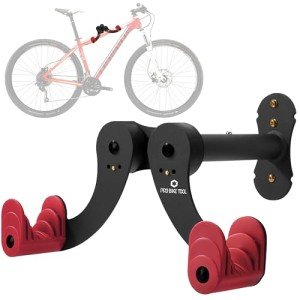
- Poorly distributed weight on horizontal racks often leads to Overload deformation; ensure the bike's center of gravity is balanced between the two support arms to prevent one-sided sagging.
- If the mounting screws are not flush, you may experience Small hardware failure; verify that screw heads are fully seated and not angled, which creates uneven shear stress.
- The soft padding used to protect frames can undergo Elastomer hardening; periodically squeeze the padding to check for brittleness and replace hooks that have lost their shock-absorbing capacity.
Environmental Stress Factors
The location of your bike storage significantly impacts the longevity and reliability of the mounting system.
- Installing hooks in an unheated garage exposes the hardware to Temperature extremes; check fastener tightness every spring and autumn as metal and wood expansion rates differ.
- Outdoor or balcony storage setups face rapid degradation due to High UV exposure; choose powder-coated aluminum or stainless steel mounts over plastic-heavy models for exterior use.
- In coastal regions, the salt-heavy air accelerates Galvanic corrosion; use nylon washers to separate different metal types, such as stainless screws against an aluminum bracket.
- Gritty particles in workshop environments create a high Dust load; clean and relubricate folding hinges monthly with a dry-film lubricant to prevent grinding in the pivot points.
Key Components
A high-quality bike hook relies on several specialized parts to manage the heavy load of a modern bicycle.
- The primary Load bearing frame acts as the backbone; prioritize heavy-gauge steel over thin-walled tubes to ensure long-term resistance to bending.
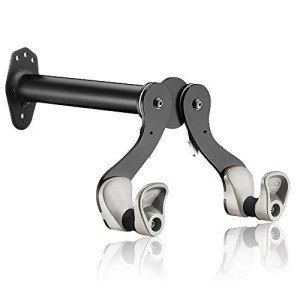
- Folding models utilize a precise Hinge pivot assembly; check for "play" or side-to-side wobble in the hinge, which indicates the pivot pin is reaching its service limit.
- The security of the installation depends entirely on a robust Fastener; use minimum 2-inch lag bolts for stud mounting to ensure enough thread engagement to resist pull-out forces.
- Most premium hooks feature a Polymer shell; this protective layer should be non-reactive to ensure it doesn't chemically bond to your bike's tire rubber or frame paint.
- The outer Structural housing shields the internal hardware; look for models with capped ends to prevent spiders or moisture from nesting inside the hollow tubes.
Related Categories
If you are researching full-room setups for gear management, you may also want to review the failure expectations for these related devices:
- For maintaining your ride, consider Pegboard tool organizers to keep repair wrenches and pumps organized.
- If you have limited wall space, Ceiling mounted racks allow you to utilize overhead volume for seasonal storage.
- Large families may prefer Freestanding gear organizers which hold multiple bikes without requiring permanent wall drilling.
- To keep your riding shoes organized, browse Boot storage racks specifically suited for the weight and ventilation needs of cycling cleats.