Maintenance & Troubleshooting
Preserving the integrity of toilet cleaning hardware requires managing the "chemical soak" time; never leave a brush submerged in concentrated bleach for more than 30 minutes, as this leaches plasticizers from the handle. Rinsing the bristles with fresh water after every use prevents mineral petrification, ensuring the elastomer remains flexible enough to reach under-rim contours.
Common Failure Modes
Over time, both chemical solutions and mechanical tools succumb to wear and chemical shifts that diminish their cleaning power.
- Chemical effectiveness often drops due to pH drift; keep bottles tightly capped and away from heat to maintain the acidity required to dissolve limescale.
- Aggressive scrubbing on aged porcelain may lead to surface scratching; use soft-polymer bristles and allow chemical dwell time to lift stains rather than relying on abrasive force.
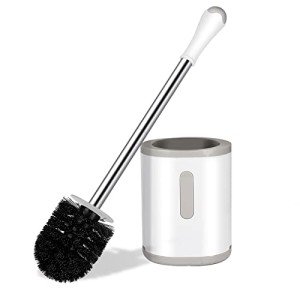
- Plastic brush handles and caddies often experience stress cracking; inspect the neck of the brush for white stress marks and replace the tool before a catastrophic snap occurs.
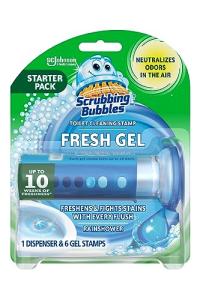
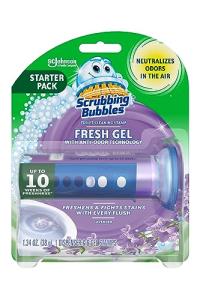
- The thickening agents in cleaning gels can suffer from thickener breakdown; store products in a cool, dark place to ensure the gel remains viscous enough to cling to vertical bowl walls.
- Rubber gaskets in refillable dispensing systems are prone to seal shrinkage; apply a thin coat of silicone-based plumber’s grease to gaskets annually to prevent hardening and leaks.
- Lower-quality brush fibers may undergo elastomer hardening; avoid using boiling water to rinse brushes, as extreme heat permanently alters the plastic’s molecular flexibility.
Environmental Stress Factors
The bathroom is a harsh environment where moisture and minerals constantly challenge the integrity of your cleaning supplies.
- Continuous exposure to mineral-rich moisture leads to hard water buildup; soak brush heads in a light vinegar solution monthly to dissolve the calcification that makes bristles snap.
- The stagnant moisture often found in brush holders encourages mold growth; choose vented brush canisters that allow for evaporative drying and prevent fungal colonization.
- In bathrooms with windows, UV rays can cause UV embrittlement; store plastic caddies inside vanity cabinets to block sunlight from degrading the polymer chains.
Key Components
A high-performance cleaning system relies on a balance of active chemical ingredients and durable physical housing.
- The efficiency of dirt removal is primarily driven by the surfactant system, which must be rated for high-mineral environments to prevent spotting on the porcelain.
- Long-term shelf stability of liquid cleaners is maintained by a robust preservative system; if the liquid changes color or odor, the preservatives have likely failed, and the product should be discarded.
- The dispensing mechanism provides the necessary "duck-neck" reach; ensure the nozzle is clear of dried gel to maintain a consistent spray pattern under the rim.
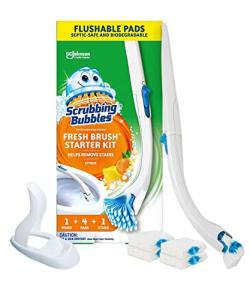
- The structural integrity of heavy-duty scrubbing wands depends on a high-quality polymer shell; look for reinforced handles with an "I-beam" cross-section to resist bending.
- A pleasant post-clean atmosphere is achieved through a stable fragrance system; verify that these aromatics are oil-based to ensure they don't evaporate within minutes of application.
Related Categories
If you are researching a complete bathroom maintenance setup, you may also want to review the failure expectations for these related devices: