Maintenance & Troubleshooting
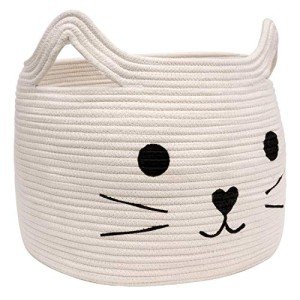
Preventing fiber thinning and seam separation requires regular weight distribution checks and immediate repair of loose threads before they compromise the structural integrity of the basket. Monitoring the elasticity of the internal frame ensures the unit retains its protective shape without sagging into the floor surface.
Common Failure Modes
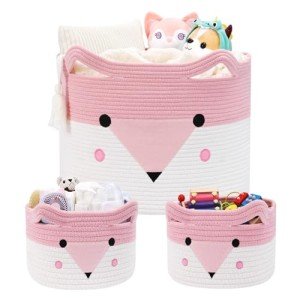
Even the highest quality toy baskets are subject to physical wear from daily use and heavy loads.
- Repeatedly dragging heavy bins across rough surfaces often results in abrasive wear; apply adhesive felt pads or a rug underlay to protect the base fibers from friction.
- Overstuffing your bins with too many heavy plushies can lead to permanent overload deformation; maintain a 20% volume buffer to allow the material to flex without over-stretching.
- The structural integrity of your storage can be compromised by stitch failure; inspect handle attachment points quarterly and use a heavy-duty nylon thread to reinforce any loosening seams.
- When soft storage is used as a makeshift seat, users often notice structural warping; insert a rigid plastic or cardboard liner to help the basket regain and hold its upright geometry.
- Frequent movement and lifting of full baskets may eventually cause cyclic fatigue failure; avoid "swinging" the basket by one handle to distribute the mechanical stress evenly across the frame.
- Low-quality finishing on decorative elements might result in coating peeling; gently sand down any flaking paint or sealant and re-coat with a non-toxic, child-safe varnish to prevent fabric snags.
Environmental Stress Factors
The location of your storage basket plays a critical role in the long-term preservation of the materials.
- Placing baskets in basements or damp nurseries can lead to high humidity acceleration; use desiccant packets or a dehumidifier to keep ambient moisture levels below 50% to stop fungal growth.
- Baskets kept near sunny windows are susceptible to UV embrittlement; rotate the basket monthly or use UV-filtering window films to prevent the fibers from becoming brittle and snapping.
- In homes with furry friends, the accumulation of dander often leads to pet hair clogging; use a soft-bristle vacuum attachment weekly to pull debris out of the weave before it embeds and weakens the fibers.
Key Components
A durable storage basket relies on several key elements to maintain its shape and utility over time.
- The primary structural housing determines the total containment volume; look for high-denier polyester or thick natural cotton for maximum puncture resistance.
- Comfortable transport is made possible by a reinforced fastener system; ensure handles are secured with cross-stitch patterns or rivets rather than simple surface glue.
- Many modern baskets feature a high-quality upholstery fabric; this layer should be snag-resistant to prevent damage from the hard plastic eyes or accessories of stuffed toys.
- Rigid models often utilize a polymer shell; this internal plastic barrier is excellent for moisture protection but should be checked for cracks if subjected to impact.
- Inner stability is frequently maintained by a load bearing frame; a steel wire or bamboo rim is often integrated into the top edge to prevent the "mouth" of the basket from collapsing.
Related Categories
If you are researching full-room setups for toy management, you may also want to review the failure expectations for these related devices:
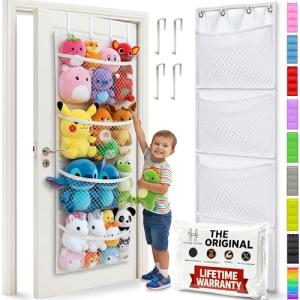
- For wall-based toy displays, consider toy hammocks to keep floor space clear and reduce the weight load on corner hardware.
- Keep smaller play figures and blocks organized and mobile by reviewing the caster durability of rolling toy boxes.
- Create a cohesive look in the nursery by comparing the tensile strength of large woven baskets used for laundry or bedding.
- Coordinate your child's space with specialized furniture from the boo tiful kids room collection to see how different materials handle daily play stress.