Maintenance & Troubleshooting
To prevent irreversible etching, always verify that the oven temperature is below 80°F before applying alkaline degreasers. If a cleaner leaves a white hazy film, neutralize the surface with a mild citric acid or vinegar rinse to restore the factory pH balance of the enamel.
Common Failure Modes
Chemical cleaners can lose efficacy or cause application issues if the formula's stability is compromised over time.
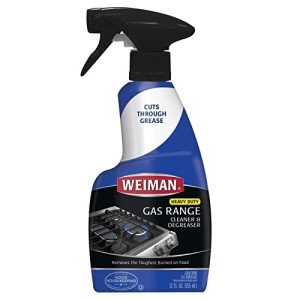
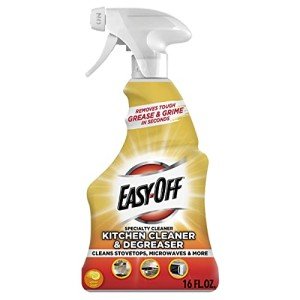
- Prevent emulsion separation by shaking the bottle vigorously before every use to ensure the active degreasers are properly suspended in the carrier.
- Avoid solvent evaporation by cleaning the bottle threads after use to ensure a perfect airtight seal, keeping the formula at its intended viscosity.
- Stop crystallization by storing products away from floor-level cabinets where cold drafts can trigger the formation of abrasive mineral shards.
- Mitigate pH drift by using products within 18 months of opening, as air exposure slowly neutralizes the high-alkalinity needed for heavy degreasing.
- Address thickener breakdown by storing bottles upright in a cool, dark place to protect the polymers that allow the cleaner to stick to oven walls.
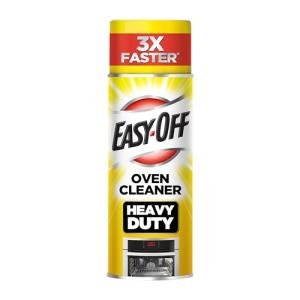
- Reduce the risk of propellant leakage by avoiding any impact to the aerosol rim and checking the nozzle for clogs that can cause internal pressure backflow.
Environmental Stress Factors
External conditions significantly influence the stability and shelf life of intensive chemical cleaning agents.
- Shield your supplies from temperature extremes by moving them from garages to interior climate-controlled pantries to prevent chemical bond failure.
- Combat high humidity by placing moisture-absorbing silica packets in your cleaning cabinets to prevent rust on pressurized metal cans.
- Protect against high UV exposure by using opaque storage bins, which prevent light from breaking down the dyes and stabilizers in plastic spray bottles.
Key Components
The effectiveness of an oven cleaner relies on a precise synergy between its chemical makeup and its delivery system.
- The active ingredient is typically a strong base like sodium hydroxide; ensure it is fully rinsed to prevent long-term metal pitting.
- A high-performance surfactant reduces surface tension so the cleaner can "wet out" and get under the edges of burnt-on food.
- The carrier base acts as the delivery vehicle; if it feels gritty or separated, the product has likely reached its end-of-life and should be replaced.
- A functional preservative prevents the growth of anaerobic bacteria which can cause the cleaner to smell putrid or lose its degreasing potency.
- Maintain your dispensing mechanism by running the nozzle under warm water after use to prevent dried chemicals from seizing the trigger or aerosol valve.
Related Categories
If you are researching full-room kitchen maintenance, you may also want to review the failure expectations for these related categories: