Maintenance & Troubleshooting
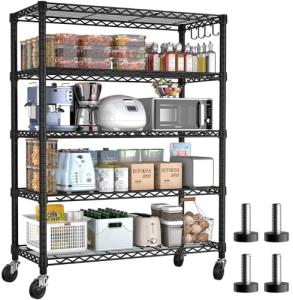
Preventing catastrophic frame tilt starts with a monthly inspection of the threaded inserts where the casters meet the support poles. If you notice the unit pulling to one side, clearing debris from the wheel axles immediately prevents the asymmetric friction that leads to permanent structural bowing.
Common Failure Modes
Heavy-duty mobile units face unique mechanical challenges that can compromise safety and ease of movement over time.
- Repeated movement under maximum load often leads to Cyclic Fatigue; regularly tighten all shelf clips and joints to ensure the unit remains rigid during transport.
- Storing excessively heavy items for months can cause permanent Creep Deformation; rotate your heaviest inventory to different shelf tiers every quarter to redistribute the static load.
- Floor debris and grit trapped in the wheels frequently cause Abrasive Wear; wipe down wheel treads with a damp cloth and vacuum the floor regularly to prevent flat spots on the casters.
- Overloading a single side of the cart during transport may result in Overload Deformation; always center the heaviest items directly over the wheel base to maintain a neutral center of gravity.
- The ball bearings within the casters are prone to Bearing Wear and Rotational Friction; apply a dry-film lubricant to the swivel race to ensure 360-degree mobility without grinding.
- Frequent height adjustments or rough handling can lead to Joint Loosening; use a rubber mallet to firmly re-seat shelf collars if you notice any vertical play in the shelving tiers.
Environmental Stress Factors
The longevity of your rolling shelves is heavily influenced by the atmospheric conditions of the room where they are deployed.
- In basement or laundry settings, High Humidity can trigger rust; prioritize epoxy-coated or stainless steel units for damp environments to protect the metal substrate.
- Accumulated Dust Load inside the wheel housings can seize the swivel; use compressed air to blow out the caster housings every few months to maintain smooth steering.
- Shelving units used in coastal areas or garages must contend with Salt Exposure; rinse the frame with fresh water and dry thoroughly if the unit is frequently exposed to salt air or winter road brine.
Key Components
Every rolling shelf relies on a precise combination of structural and mechanical parts to remain both sturdy and mobile.
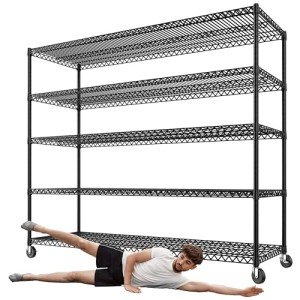
- The backbone of the unit is the Load Bearing Frame, which must be perfectly squared during assembly to prevent the unit from crabbing while in motion.
- Smooth navigation is made possible by the Rotational Drive Assembly, the mechanical pivot point that allows the casters to change direction under weight.
- Internal Bearing components reduce the physical force required to initiate movement, acting as the primary interface between the axle and the wheel.
- The height of each tier is secured by a Fastener System, which relies on friction-fit sleeves to lock the shelf onto the notched support poles.
- Outer protection is provided by a Surface Coating, a critical barrier that prevents oxidation from compromising the structural integrity of the steel.
Related Categories
If you are researching full-room setups or specialized mobile utility, you may also want to review the failure expectations for these related devices:
- For smaller items and crafting supplies, you might consider Portable Trolleys which offer more compact footprints for tight spaces.
- If you need specialized organization for gym equipment or tools, Rolling Sports Carts provide dedicated bins and high-clearance casters.
- To optimize narrow spaces, review the technical durability of Slim Rolling Laundry Carts designed for appliance gaps.