Maintenance & Troubleshooting
Regularly cleaning grit out of zipper tracks and lubricating metal hinges prevents the abrasive wear that leads to mechanical seizure. Inspecting corner seams for "stress whitening" in plastics or fraying in textiles allows for reinforced repairs before a total structural failure occurs.
Common Failure Modes
Even the most robust mobile storage units face physical degradation over time due to heavy loads and repetitive mechanical actions.
- Heavy tools and constant movement often lead to Joint Loosening; check and tighten any exposed hardware or rivets monthly to maintain structural rigidity.
- Overfilling your carrier beyond its intended capacity results in Overload Deformation; distribute heavy items toward the center and bottom of the unit to prevent the frame from bowing.
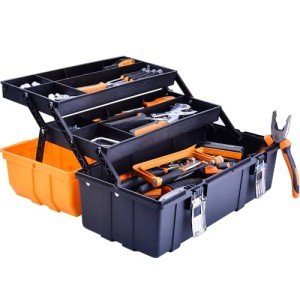
- The frequent opening and closing of lids eventually causes Hinge Fatigue; apply a dry-film lubricant to pivot points to reduce friction and prevent the metal from snapping.
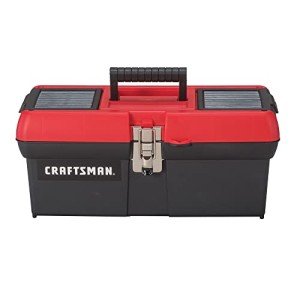
- Rough handling during transport can result in Impact Fracture; avoid stacking heavy objects directly on top of plastic shells, especially in sub-zero temperatures where materials become brittle.
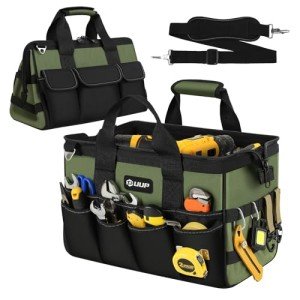
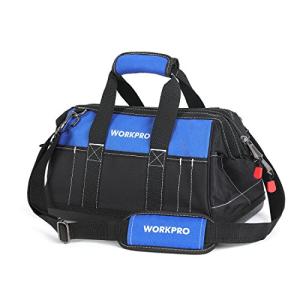
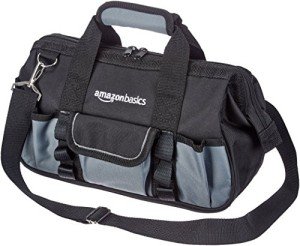
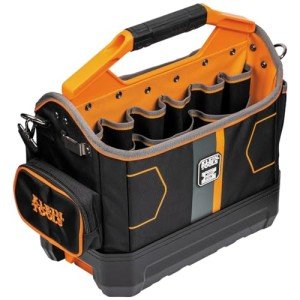
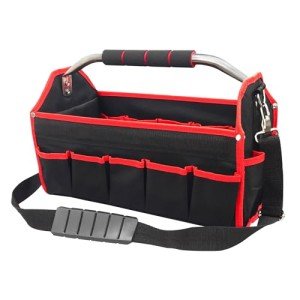
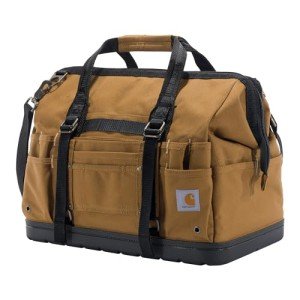
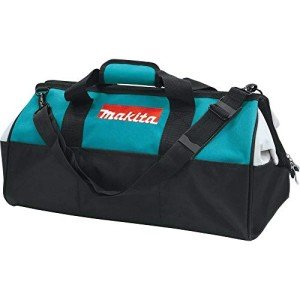
- On soft-sided bags, the stress of heavy wrenches can cause Stitch Failure; use internal dividers to stop sharp tools from putting direct pressure on the exterior seams.
- High-frequency transit on vibrating truck beds may trigger Vibration Crack Propagation; line the bottom of your toolbox with high-density foam to dampen the kinetic energy transferred from the vehicle.
Environmental Stress Factors
Portable storage is frequently exposed to harsh conditions that can accelerate the aging of both the container and the tools inside.
- Storing your gear in damp garages or rainy job sites leads to High Humidity Acceleration; place vapor-corrosion-inhibitor (VCI) poly bags or chips inside to protect metallic tools from rust.
- In construction zones, a significant Dust Load can infiltrate mechanisms; use a soft brush or compressed air to clear debris from zippers and latches to prevent grinding.
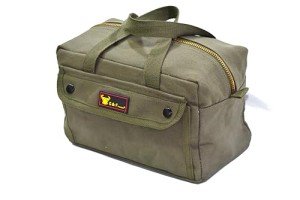
- Extended work in direct sunlight causes High UV Exposure; apply a fabric protectant spray to canvas bags to prevent fiber degradation and color fading.
- Exposure to extreme heat or cold in vehicles leads to Temperature Extremes; avoid leaving sealed plastic cases in direct summer heat, as the internal air expansion can compromise water-tight seals.
Key Components
The reliability of your mobile storage depends on high-quality structural elements designed to withstand professional use.
- The primary Load Bearing Frame must be checked for hairline cracks; this skeleton is what prevents the bottom from dropping out during heavy lifts.
- A durable Polymer Shell is essential for impact protection; look for high-impact resins that remain flexible in cold weather to avoid cracking.
- Reliable security is provided by a robust Fastener System; ensure latches have a positive "click" and no visible play, which indicates the hardware is beginning to fatigue.
- To keep your tools dry in the field, a high-quality Seal Gasket must be kept clean; wipe the rubber seal with a damp cloth to ensure a debris-free contact point.
- The internal organization is often managed by a Structural Housing; if these internal walls become warped, they can interfere with the lid's ability to seal correctly.
Related Categories
If you are researching full-room setups or larger mobile equipment, you may also want to review the failure expectations for these related devices:
- For stationary organization of your hand tools, consider researching the weight capacities of Pegboard Tool Organizers.
- Keep your screws and small hardware sorted by looking at the lid-seal durability of Drawer Hardware Organizers.
- Protect your larger floor-standing equipment and heavy supplies by investigating the stack-load limits of Heavy Duty Plastic Bins.
- If you need to move multiple heavy boxes across a warehouse or large garage, review the wheel-bearing reliability of Rolling Sports Carts.