Maintenance & Troubleshooting
To prevent streaks and ensure the enzymes remain active, always store cleaners in a dark, climate-controlled cabinet and avoid cross-contaminating the bottle with used mop water. Agitating the container before each use reintegrates separated surfactants that naturally settle over time, ensuring a consistent chemical balance during application.
Common Failure Modes
Cleaning solutions can lose their effectiveness over time due to internal chemical shifts or improper storage conditions.
- Over time, essential cleaning agents may undergo surfactant breakdown; check for a loss of foaming action as a sign the formula can no longer lift oils.
- Exposure to air can lead to solvent evaporation shift; keep the cap tightly sealed to prevent the liquid from thickening and leaving gummy streaks on your hardwood.
- Improperly sealed bottles often suffer from fragrance degradation; smell the product before use to ensure it hasn't turned medicinal, which indicates the essential oils have oxidized.
- Changes in storage temperature can cause emulsion separation; vigorously shake the bottle to recombine oil and water-based cleansers if you see distinct layers.
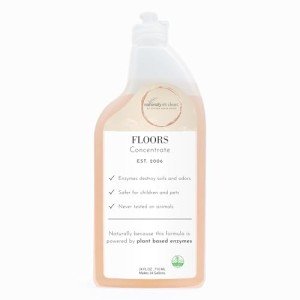
- Formulas containing natural enzymes are prone to pH drift; test the solution on a small area to confirm it still neutralizes odors before committing to a full floor deep-clean.
- If the solution becomes contaminated, microbial risk increases; never "top off" an old bottle with water, as this introduces bacteria that can spoil the remaining formula.
- Extended shelf life can lead to preservative depletion; discard any product older than twelve months to avoid applying spoiled organic matter to your home surfaces.
Environmental Stress Factors
The external environment plays a critical role in maintaining the potency and safety of non-toxic cleaning agents.
- Storing bottles in direct sunlight leads to high UV exposure; move cleaners to opaque bins to stop light from snapping the molecular bonds of bio-based ingredients.
- Kitchen and bathroom cabinets often face high humidity acceleration; ensure trigger sprayers are set to the "off" position to prevent moisture from seeping into the nozzle.
- Garages or mudrooms subject products to temperature extremes; avoid letting the cleaner freeze, as ice crystal formation can permanently damage the protein structure of odor-fighting enzymes.
- Mixing tools or residues causes a cleaner compatibility conflict; always thoroughly rinse mops and buckets when switching between different chemical brands to prevent toxic films.
Key Components
The efficacy of a pet-safe cleaner relies on a precise balance of active and supportive chemical systems.
- The primary cleaning power comes from the surfactant; look for plant-derived versions that break surface tension without leaving oily footprints behind.
- To ensure the product remains safe for months, a robust preservative is required; check for food-grade stabilizers that inhibit fungal growth without irritating pet paws.
- The biological agents are suspended within a carrier base; ensure this is distilled or deionized water to prevent hard-water minerals from interfering with the cleaner.
- For targeted pet mess removal, the active ingredient often includes enzymes; verify the specific protein type to ensure it is designed for the uric acid found in pet waste.
- Maintaining a pleasant home is managed by the fragrance; prioritize formulas using steam-distilled botanicals that are verified as safe for feline and canine inhalation.
- The durability of the liquid is protected by the container packaging; high-density polyethylene (HDPE) bottles offer the best vapor barrier to prevent solvent loss and formula thickening.
If you are researching comprehensive pet-safe sanitation, you may also want to review the failure expectations for these related categories: