Maintenance & Troubleshooting
Regularly inspecting the base for grit buildup prevents permanent scoring of your desk surface and the organizer’s own finish. Addressing ink spills immediately with material-safe pH-neutral cleaners stops chemical etching before it compromises the structural polymer or protective coating.
Common Failure Modes
Even static desktop accessories are subject to degradation over time through repeated use and material fatigue.
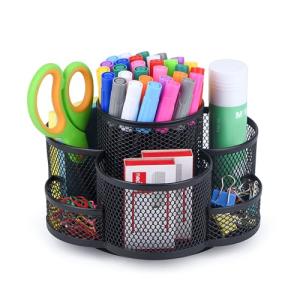
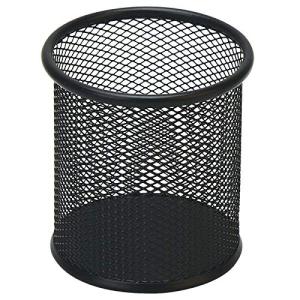
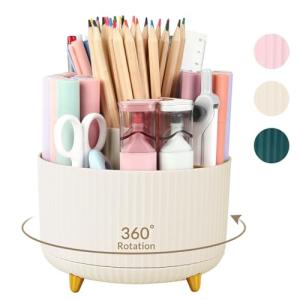
- Overloading a mesh or plastic unit can lead to permanent structural warping; redistribute heavy metal tools to the center of the unit to maintain its center of gravity.
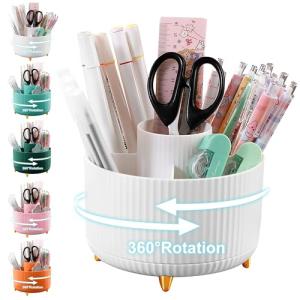
- Frequent movement across rough desk surfaces often results in unsightly surface scratching; apply adhesive felt or silicone bumpers to the base to create a protective buffer.
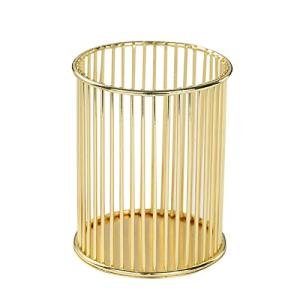
- Low-quality finishes on metal organizers may eventually experience coating peeling; avoid using metal clips directly on the rim to prevent mechanical chipping of the paint layer.
- In humid office environments, cheap steel components are prone to corrosion; wipe down metal units with a dry microfiber cloth weekly to remove moisture-trapping salt and oils from skin contact.
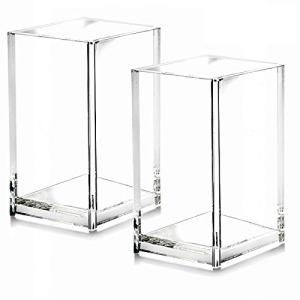
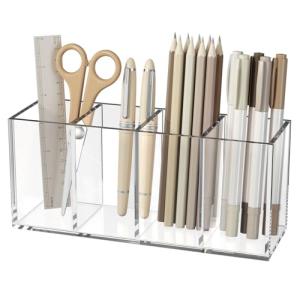
- Transparent organizers may lose their professional look due to acrylic clouding; use only specialized plastic cleaners and avoid ammonia-based window sprays to preserve optical clarity.
- Units assembled with chemical agents may suffer from adhesive bond failure; keep organizers away from direct heat sources like laptop exhaust fans to prevent the glue from softening.
Environmental Stress Factors
The placement of your organizer within your office significantly impacts its longevity and material health.
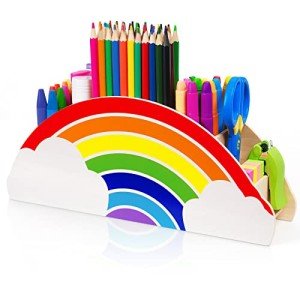
- Organizers placed near windows face high UV exposure; rotate the unit monthly or use UV-filtering window film to prevent plastic yellowing and wood grain fading.
- Desktop units often collect a significant dust load; use compressed air to clear the interior corners where dust acts as a sandpaper-like abrasive against your pens.
- Using harsh chemicals for office sanitation can create a cleaner compatibility conflict; test any new disinfectant on a small, inconspicuous area of the base to ensure it won't melt the polymer.
Key Components
The durability of a pen cup is determined by the quality of its primary structural elements and protective layers.
- The structural housing defines the unit's capacity; check for wall thickness, as thinner walls are more susceptible to impact cracking.
- A high-quality polymer shell offers better impact resistance; look for ABS or high-density polycarbonate for maximum drop protection.
- Many premium organizers utilize an adhesive bond layer for non-slip pads; ensure this layer is recessed to prevent the adhesive from creeping out and sticking to your desk.
- The surface coating is the primary defense against ink; a powder-coated finish is generally more durable than standard wet paint for resisting scratches.
- For modular or weighted designs, the fastener system keeps components aligned; periodically tighten any visible screws to prevent structural wobble.
Related Categories
If you are researching a full-room workstation setup, you may also want to review the failure expectations and maintenance requirements for these related devices: