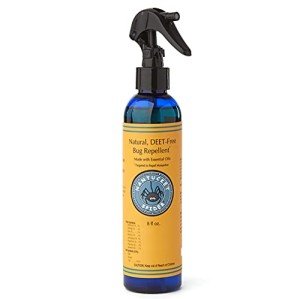
Maintenance & Troubleshooting
Aggressive agitation before every use is mandatory to temporarily relink separated oils and prevent nozzle clogs. Keeping the dispensing orifice clear of dried resin ensures a consistent micron size for the mist, which is vital for achieving full skin saturation.
Common Failure Modes
Natural repellents rely on delicate chemical balances and mechanical delivery systems that can fail if not properly maintained.
- To fix Emulsion Separation, shake the bottle vigorously for 30 seconds to re-incorporate the active oils before every application.
- Prevent Solvent Evaporation by tightening the cap immediately after use to maintain the correct ratio of carrier to active ingredients.
- Combat Fragrance Degradation by storing bottles in total darkness, as light exposure rapidly neutralizes the insect-masking terpenes.
- Reduce Microbial Risk by avoiding the temptation to "top off" a half-empty bottle with tap water, which introduces bacteria that can spoil the organic formula.
- Monitor for Container Interaction by checking the bottle for thinning or cloudiness, as high-potency oils can occasionally degrade lower-grade plastic housings.
- If you encounter Crystallization in the nozzle, soak the spray head in warm water to dissolve hardened oil deposits and restore the mist pattern.
Environmental Stress Factors
External conditions play a significant role in how long your natural repellent remains effective and safe for use.
- To minimize High UV Exposure, choose repellents sold in opaque or amber bottles and keep them tucked inside a bag when outdoors.
- Avoid Temperature Extremes by keeping the spray out of hot vehicles, as heat can permanently break the chemical bonds of the surfactant system.
- Slow down High Humidity Acceleration of seal failure by wiping the bottle threads dry after use to prevent moisture from wicking into the container.
Key Components
The efficacy of a natural spray is determined by the synergy of its ingredients and the quality of its delivery hardware.
- The Active Ingredient System must be kept cool to remain volatile enough to repel insects but stable enough to stay on the skin.
- A functional Surfactant System is what keeps the spray from becoming a "two-phase" liquid; if the bottle stays separated after shaking, the surfactant has failed.
- The Carrier Base dictates how the repellent feels and how fast it dries; alcohols dry quickly while witch hazel bases linger longer.
- The Dispensing Mechanism is the most common mechanical failure point; look for pumps with high-quality gaskets that won't leak when pressurized.
- A robust Preservative System is crucial for organic products to prevent the natural oils from becoming rancid during the off-season.
Related Categories
If you are researching botanical pest defense, you may also want to review the failure expectations for these related categories: