Maintenance & Troubleshooting
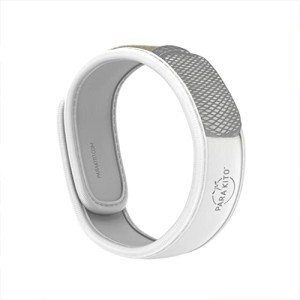
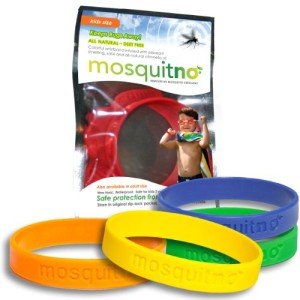
To prevent premature desiccation, users must reseal wristbands in an airtight, non-porous container immediately after every use. Rinsing the band with fresh water after exposure to sweat or salt prevents mineral buildup from clogging the microscopic pores used for vapor diffusion.
Common Failure Modes
Technical failures in repellent wearables often stem from the degradation of the active repellent matrix or physical breakdown of the band material.
- Prevent Volatile Loss by storing the band in a cool, dark place inside its original zip-lock packaging when not in active use.
- To mitigate UV Embrittlement, choose bands with UV-stabilized silicone and avoid leaving them on outdoor tables between sessions.
- Counteract Elastomer Hardening by occasionally applying a food-grade silicone lubricant to the strap to maintain flexibility in arid climates.
- Address Active Oxidation by ensuring the band is fully dry before sealing it away, as trapped oxygen and moisture can neutralize the repellent compounds.
- Stop Mold Growth by cleaning fabric-based bands with a mild antimicrobial soap and allowing them to air-dry completely before storage.
- Reduce Stress Cracking by avoiding over-tightening the fastener, which puts unnecessary tension on the molecular bonds of the polymer strap.
- If you notice Fragrance Degradation, it usually indicates the essential oils have reached their half-life; replace the pellet or the entire band to restore efficacy.
Environmental Stress Factors
External conditions play a critical role in how long a repellent wristband remains effective and structurally sound in the field.
- Limit High UV Exposure by wearing the band under a sleeve or choosing light-colored polymers that reflect a greater percentage of solar radiation.
- Neutralize Salt Exposure by performing a brief freshwater soak after beach use to ensure salt crystals don't block the repellent release mechanism.
- Avoid Temperature Extremes by removing bands from glove compartments or tackle boxes, as excessive heat forces the oils to bleed out of the carrier.
- Protect against Outdoor Weathering by checking for surface erosion; if the band feels "slimy" or "chalky," the protective coating has likely failed.
Key Components
The efficacy of a repellent wristband depends on the synergy between its chemical payload and its physical delivery structure.
- The Active Ingredient is the heart of the vapor shield; its concentration directly dictates the effective radius of the band.
- A robust Carrier Base, such as a porous ceramic or felt pellet, is required to prevent the oils from leaking onto the skin.
- The Polymer Shell must balance durability with flexibility; look for high-grade silicone for better chemical resistance.
- The Fragrance often serves as a secondary indicator of potency; once the scent fades, the active protection typically follows.
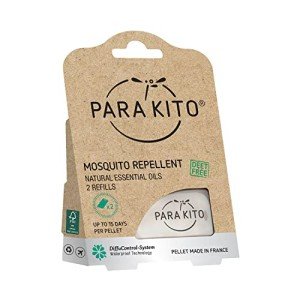
- An airtight Container Packaging is the only thing standing between a fresh product and a pre-exhausted one at the point of sale.
- In refillable units, the Dispensing Mechanism must be inspected for a tight seal to ensure the repellent insert does not fall out during movement.
Related Categories
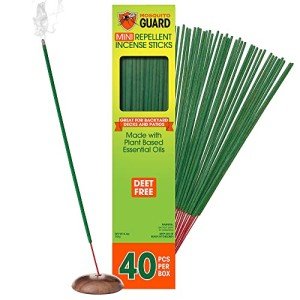
If you are researching full-room setups or area protection, you may also want to review the failure expectations for these related devices: