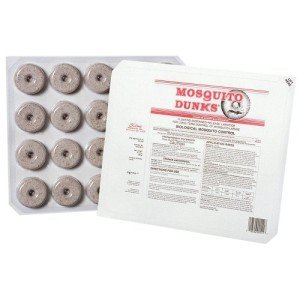
Maintenance & Troubleshooting
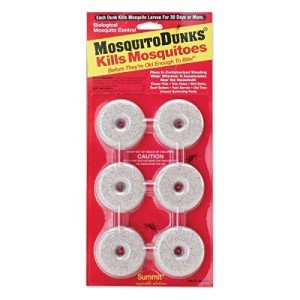
Effective larval control depends entirely on maintaining the dunk's "erosion rate" by managing water alkalinity and surface biofilm. If a dunk stops shrinking over a two-week period, a mineral crust has likely sealed the active spores inside, requiring a manual surface abrasion to restart the biological release.
Common Failure Modes
Even the most effective biological treatments can lose potency if they encounter specific chemical or physical degradation factors during their deployment.
- To prevent active oxidation, keep unused dunks in their original airtight foil or plastic to ensure the BTI spores remain viable and unexposed to oxygen.
- Monitor for ph drift by testing water sources; if the environment is highly alkaline (pH > 9.0), the BTI toxins will break down prematurely, necessitating more frequent replacements.
- Address hydrolysis breakdown by checking the water for high organic loads; excessive debris can accelerate the dissolution of the binder, shortening the 30-day window.
- Avoid solvent evaporation shift by storing product in cool, dark environments to prevent the binding agents from becoming brittle and losing their ability to float.
- Mitigate microbial risk by ensuring dunks are only used in water; storage in damp, non-submerged areas allows rogue bacteria to consume the active protein payload.
- Combat crystallization by checking for a "glassy" texture on the surface, which indicates a hardened binder that needs to be lightly scratched to allow water penetration.
- Manage surface coating issues by clearing algae or oils from the water surface, as these can coat the dunk and create a waterproof barrier that traps the larvicide.
Environmental Stress Factors
External conditions play a pivotal role in how quickly a larvicide dunk dissolves and how long the BTI remains viable in the water column.
- To reduce high uv exposure, place dunks under floating plants or in shaded areas of the pond, as sunlight quickly denatures the BTI protein crystals.
- Protect against outdoor weathering by securing dunks in rain barrels with a tether or cage so heavy overflow does not wash the floating ring out of the treatment zone.
- Prevent hard water buildup by periodically squeezing the dunk to break up mineral scales that can block the release of the biological agent.
- Navigate temperature extremes by doubling the dosage in water over 90°F, as high heat significantly increases the metabolic decay of the active spores.
Key Components
The engineering of a mosquito dunk involves a sophisticated balance of biological toxins and the physical medium required to deliver them effectively.
- The active ingredient system is the biological heart of the product; ensure the BTI is within its expiration date for guaranteed larval mortality.
- A buoyancy-tuned carrier base ensures the product stays at the top of the water column where mosquito larvae breathe and feed.
- The preservative system is critical for shelf stability; if the product smells like vinegar or mold while still in the package, the preservatives have failed.
- An integrated surfactant system helps the larvicide spread evenly across the surface film for a wider kill radius.
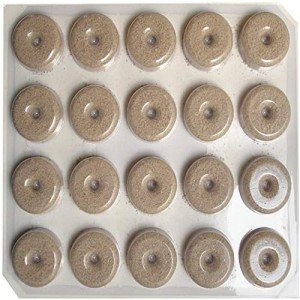
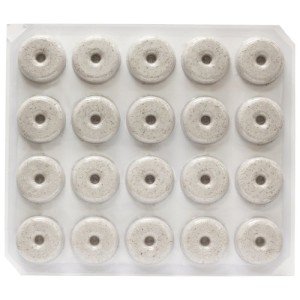
- The structural housing of the dunk is designed for controlled erosion; it should feel slightly gritty and porous to allow consistent water exchange.
If you are researching integrated pest management for standing water, you may also want to review the failure expectations for these related categories: