Maintenance & Troubleshooting
Preventing plastic degradation requires managing how the polymer cools after a high-wattage cycle. Never plunge a hot steamer into cold water, as this thermal shock is the primary cause of hairline fractures in the structural housing.
Common Failure Modes
Over time, the intense heat and pressure generated during the steaming process can lead to specific structural and material issues.
- Repeated exposure to high temperatures can cause heat warping; always ensure the lid is loosely fitted during cooling to prevent it from setting in a distorted shape.
- The structural integrity of the steamer may be compromised by stress cracking; avoid rapid temperature shifts by letting the unit air cool before washing.
- Frequent handling and abrasive cleaning often lead to surface scratching; use only soft sponges to maintain the smooth finish and prevent bacteria traps.
- The airtight seals may eventually fail due to seal compression fatigue; store the lid unlatched to keep the gaskets from losing their elastic memory.
- Overheating the unit without sufficient water can lead to polymer softening; always verify minimum water levels to keep the plastic below its melting point.
- Prolonged use in high-wattage microwaves can result in thermal overload stress; reduce power levels to 80% to extend the life of the plastic during long cooking sessions.
- If the steamer is dropped while hot, it is highly susceptible to impact fracture; wait for the material to lose its temporary heat-induced brittleness before moving it.
Environmental Stress Factors
The conditions in which you use and store your steamer play a critical role in maintaining its food-safe properties.
- Minerals from your tap can lead to hard water buildup; wipe the interior with a diluted vinegar solution weekly to prevent calcification.
- Using harsh chemicals for cleaning can trigger a cleaner compatibility conflict; stick to mild dish soap to avoid leaching plasticizers from the material.
- Storing the unit in a damp cupboard without drying it completely may encourage mold growth; always dry the gaskets with a clean cloth before long-term storage.
- Leaving the steamer near a window can cause high UV exposure; keep the unit in a dark pantry to prevent the plastic from becoming yellowed and brittle.
Key Components
Modern steamers rely on a few critical parts to ensure safe and effective steam distribution throughout the cooking cycle.
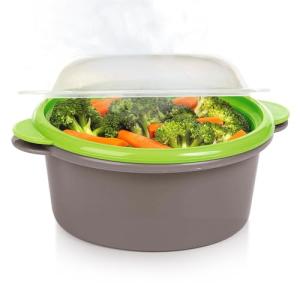
- The outer shell acts as the structural housing, containing the steam and providing stability on the microwave turntable.
- A specialized polymer shell is used to ensure the device remains microwave-safe and cool to the touch.
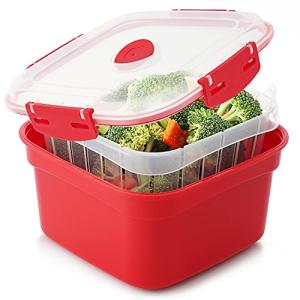
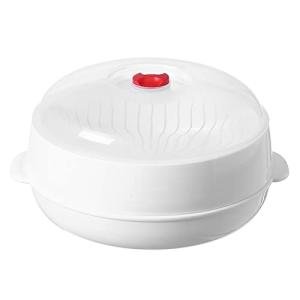
- The steam vent often utilizes a dispensing mechanism to regulate internal pressure and prevent dangerous explosions.
- To keep the steam trapped, a high-quality seal gasket system is integrated into the rim of the lid.
- The internal basket provides an airflow ventilation system that allows steam to circulate around the food.
- Clear lids often feature a glass panel or high-clarity plastic for easy monitoring of the cooking progress.
If you are optimizing your kitchen workflow, you may also want to evaluate the durability and failure rates of these related storage systems: