Navigating the world of outerwear can be tricky when balancing the need for weather protection with the constraints of a school day or a morning commute. This deep dive breaks down the technical specifications and practical realities of lightweight windbreakers.
💡 Expert Usage Tips
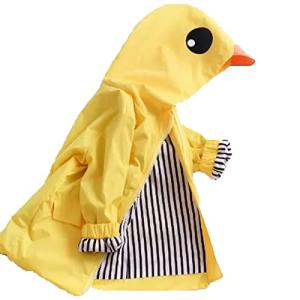
- For parents of toddlers, prioritize heat-welded seams over standard stitching to ensure total dryness during rainy playground sessions.
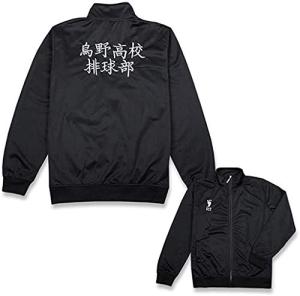
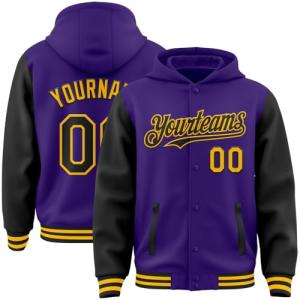
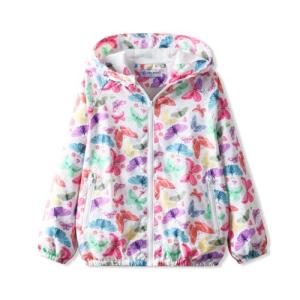
- To extend the life of sublimation-dyed graphics, always wash on cold and avoid high-heat ironing which can damage synthetic tech-fleece.
- If using a jacket for high-energy activities like biking or recess, look for models with internal mesh linings to prevent the fabric from clinging to skin due to perspiration.
- Maintain DWR (Durable Water Repellent) coatings by using a low-heat dryer cycle after washing to reactivate the protective finish.
🛡️ Material & Durability
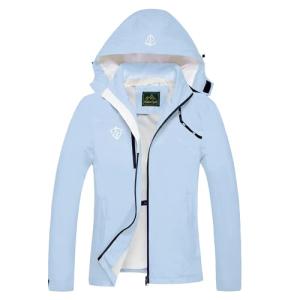
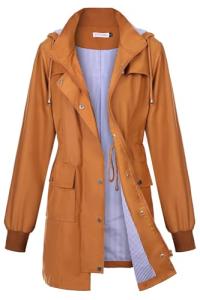
Modern windbreakers utilize a variety of advanced synthetics. 210T Ripstop Polyester is a favorite for travelers because it prevents snags from becoming large tears. For school settings, Taslan-style weaves offer a durable, matte finish that resists scuffs better than shiny fabrics. If you require a total moisture barrier, look for PVC or EVA polymer blends. Explore the full range of material options in the lightweight windbreakers collection.
✅ What to Look For & ⚠️ What to Avoid
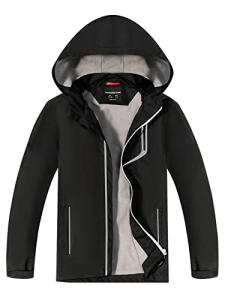
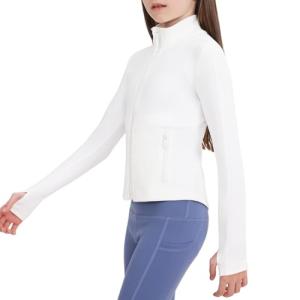
The Must-Haves: Look for elasticized cuffs to block wind and packable chassis designs for easy storage. For active teens, a fleece-lined shacket provides the perfect thermal-weight ratio, while those needing sun protection should seek out UPF 50+ rated fabrics.
⚠️ Critical Warnings: Avoid un-taped seams if you expect heavy rain, as moisture will eventually seep through the stitching. Be wary of non-breathable polymers during strenuous exercise, as they can cause internal dampness. Lastly, check sizing charts carefully; many lightweight shells follow a slim-fit profile that may require sizing up for layering.
❓ Frequently Asked Questions
Are these jackets warm enough for winter?
Generally, no. Most lightweight windbreakers are designed for transitional weather (50-65°F). They prioritize wind-chill reduction and moisture protection over heavy thermal insulation.
How do I stop my polyester windbreaker from pilling?
Avoid washing with abrasive fabrics like denim or Velcro. Using a gentle cycle and turning the garment inside out before washing will help preserve the smooth surface finish.
What is the difference between water-resistant and waterproof?
Water-resistant jackets (DWR coated) shed light mist and drizzle. Waterproof jackets (TPU or PU laminated with taped/welded seams) provide a solid barrier against sustained rainfall.