Maintenance & Troubleshooting
Always test the full strip for color consistency before removing the adhesive backing, as mechanical stress during mounting is the leading cause of "dead zones." Periodically inspect the power injection points for discoloration, which indicates high resistance and potential thermal failure before it leads to a permanent short.
Common Failure Modes
Even high-quality neon LED strips can encounter technical issues if they are handled improperly or subjected to electrical inconsistencies over time.
- To mitigate Thermal Overload Stress, ensure the strip is mounted against a heat-dissipating surface like aluminum channel rather than trapped in tight, unventilated wood grooves.
- Avoid a Solder Joint Crack by using specialized corner connectors instead of forcing the strip into sharp, manual bends that fatigue the copper.
- Address Voltage Sensitivity by calculating the total wattage and using a power injection lead every 5 meters to prevent dimming at the end of the run.
- Prevent Insulation Breakdown by checking for sharp edges on mounting clips that could pierce the silicone and expose the live circuit.
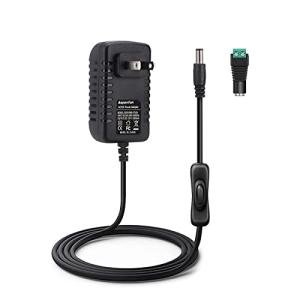
- Eliminate Capacitor Dry Out by upgrading to a high-efficiency, UL-listed power transformer rather than using the generic "wall warts" often bundled with budget kits.
- Protect against Static Discharge Damage by wearing an anti-static wrist strap or grounding yourself before touching the exposed pin connectors during setup.
Environmental Stressors
The longevity of your neon lighting is heavily influenced by the atmosphere and physical location in which it is installed.
- To combat High UV Exposure, apply a UV-resistant clear coat or choose "food-grade" silicone sleeves which offer higher stability against yellowing than standard PVC.
- Reduce High Humidity Acceleration by sealing every cut end and connector with IP67-rated silicone sealant to prevent moisture from wicking into the copper traces.
- Mitigate Outdoor Weathering by installing the light strip within a protective track that shields the top surface from direct hail impact and standing water.
Key Components
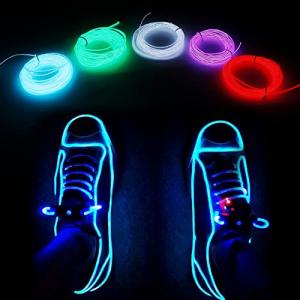
Modern LED neon strings rely on a sophisticated assembly of parts to produce their signature continuous, "dot-free" glow.
- The Power Supply must be rated for at least 20% more than the strip's maximum draw to prevent overheating and voltage sag.
- Understand how electronic control boards manage signals by ensuring the controller is placed in a cool, dry location away from the primary heat-generating diodes.
- A high-quality Wiring Harness uses oxygen-free copper to maintain conductivity and flexibility over years of thermal expansion.
- The Polymer Shell is engineered for light diffusion; check the Shore hardness to ensure it is flexible enough for your specific installation radius.
- An integrated Sensor can fail if obscured by the mounting bracket, so clear line-of-sight must be maintained for IR or light-sensing components.
Related Categories
If you are researching complete room lighting and furniture integration, you may also want to review the maintenance and failure profiles of these related items:
- Mounting ambient lighting behind floating media consoles can create a high-end backlighting effect.
- Pairing light strips with a wall mounted nightstand allows for integrated cable management and a cleaner electrical profile.
- Using low-heat LED strings on ladder shelves is an effective way to highlight collections without thermal damage to delicate items.