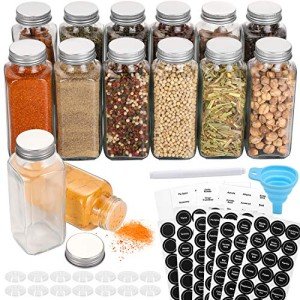
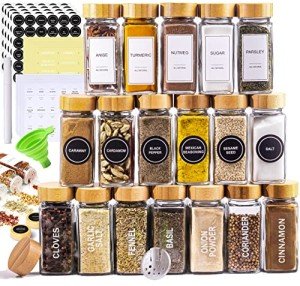
Maintenance & Troubleshooting
Inspecting gaskets for hardening and checking glass rims for microscopic chips every six months prevents seal failure and potential injury. Proper maintenance focuses on preserving the tactile elasticity of the seals and the adhesive integrity of the labeling system against airborne grease and steam.
Common Failure Modes
Even durable glassware faces risks from repeated mechanical stress and material fatigue in a busy kitchen environment.
- To prevent glass microfracture, avoid moving jars directly from a cold refrigerator to a hot dishwasher, as rapid temperature shifts trigger internal stress.
- Counteract seal compression fatigue by tightening lids only until you feel initial resistance, rather than forcing the gasket to its maximum displacement.
- Eliminate surface scratching by using only non-abrasive soft sponges; avoid steel wool which creates micro-channels that trap bacteria.
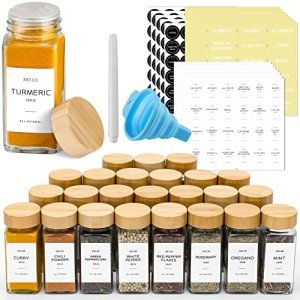
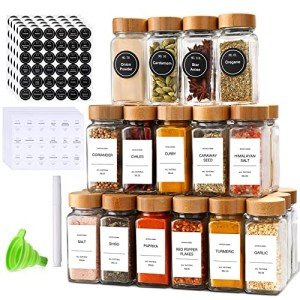
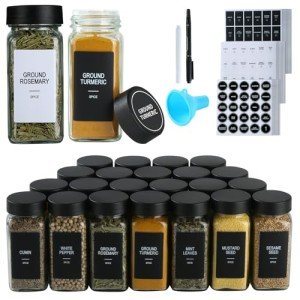
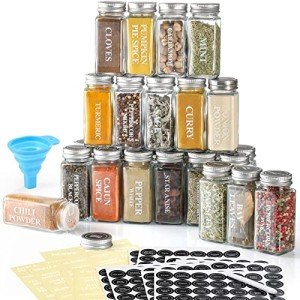
- Fix adhesive bond failure by ensuring the glass surface is completely de-greased with isopropyl alcohol before applying or replacing labels.
- Stop mold growth by allowing jars and lids to air-dry separately for at least four hours after washing to ensure no moisture is trapped in the rim.
- Address elastomer hardening by periodically applying a thin layer of food-grade silicone oil to rubber gaskets to keep them pliable.
- Prevent corrosion on metal lids by hand-drying them immediately after washing, especially if they are used for high-salt contents like bouillon or sea salt.
Environmental Stress Factors
The longevity of your glass storage set is heavily influenced by the specific conditions of your kitchen and pantry.
- Mitigate temperature extremes by storing your glassware in a cool pantry at least three feet away from ovens or stovetop heat vents.
- Combat salt exposure in coastal areas by using airtight containers with plastic or bamboo lids that are immune to salt-air oxidation.
- Manage a heavy dust load by using a damp microfiber cloth for weekly external wiping, which prevents grease-bound dust from etching the glass.
Key Components
Each jar is an assembly of specialized parts designed to work together for maximum food preservation and ease of use.
- The glass panel serves as the non-reactive primary vessel; inspect it regularly for "stars" or chips that indicate a looming failure.
- A high-performance seal gasket system is the heart of freshness; ensure the material is BPA-free silicone for better longevity than natural rubber.
- The fastener system, such as galvanized steel bails on swing-top jars, provides the mechanical leverage necessary for a hermetic seal.
- A specialized surface coating on some premium glass helps shed oils and water, making the exterior easier to maintain between deep cleanings.
- The adhesive bond layer on your labels must be rated for high-humidity environments to prevent corners from lifting during summer months.
- The structural housing, or the thick base of the jar, provides a low center of gravity to prevent tipping when the container is nearly empty.
Related Categories
If you are researching full-pantry organization, you may also want to review the failure expectations for these related devices: