Maintenance & Troubleshooting
Routine inspections of the swivel joint and flocking adhesion can prevent catastrophic snaps that might damage expensive garments. Periodically rotating your inventory ensures that no single frame suffers from permanent plastic creep or structural bowing.
Common Failure Modes
Daily use and mechanical stress can lead to several specific points of failure in youth-sized closet hardware.
- Repeated weight bearing can lead to Cyclic Fatigue Failure; mitigate this by alternating heavy items across different hangers to prevent the neck from snapping.
- Overloading a single unit with heavy winter coats often results in Overload Deformation; always double-up hangers or use wooden frames for heavy outerwear to maintain shape.
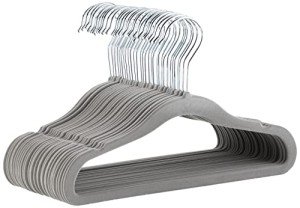
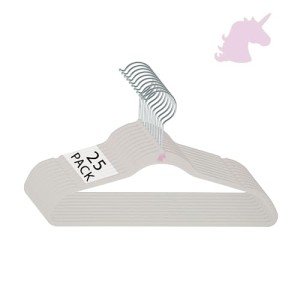
- Velvet-coated options may experience Coating Peeling over time; avoid hanging damp clothes on flocked surfaces to preserve the adhesive bond.
- The swivel neck is a frequent point of Small Hardware Failure; apply a tiny drop of dry lubricant to the socket to reduce friction and prevent the hook from detaching.
- In wooden models, changes in room conditions might cause Structural Warping; maintain a consistent indoor humidity level to prevent the wood from twisting.
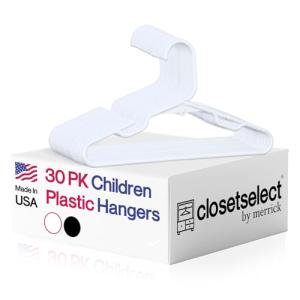
- Aggressive handling by children can cause Impact Fracture; opt for high-impact polypropylene models if your children frequently drop hangers on tile or hardwood.
- Frequent sliding across metal rods results in Abrasive Wear on the hook; check for metal burrs annually and smooth them with fine-grit sandpaper to protect your wardrobe rails.
Environmental Stress Factors
The longevity of your closet organizers is heavily influenced by the atmosphere and conditions of the bedroom or laundry area.
- Placing closets near sunny windows leads to High UV Exposure; use blackout curtains or UV-resistant plastics to stop the frame from becoming brittle.
- Basement storage areas often suffer from High Humidity Acceleration; utilize a dehumidifier to stop metal hooks from rusting and fabric covers from molding.
- Poorly ventilated wardrobes can experience Dust Load accumulation; wipe down the top of hangers quarterly to prevent grit from scratching the garment shoulders.
- Using harsh household cleaners can lead to Cleaner Compatibility Conflict; only use mild soap and water to ensure the finish doesn't become tacky or dissolve.
Key Components
Each hanger is a result of careful engineering designed to balance weight distribution and garment grip.
- The primary Load Bearing Frame provides the essential silhouette that supports the weight of shirts, jackets, and dresses.
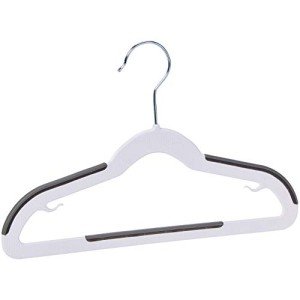
- Modern non-slip hangers utilize a specialized Polymer Shell to provide a soft-touch grip that keeps silky fabrics from sliding off.
- The hook is secured by a Fastener System that allows for 360-degree rotation while maintaining a tight connection to the base.
- To prevent snapping, some high-end youth hangers incorporate a Spring Elastic Component that allows the arms to flex slightly under tension.
- The outer aesthetic and tactile layer is often held together by an Adhesive Bond Layer, critical for keeping velvet flocking attached to the frame.
- The main body is housed within a Structural Housing that defines the width, ensuring it fits perfectly within standard child-sized wardrobes.
Related Categories
If you are researching full-room setups, you may also want to review the failure expectations for these related devices: