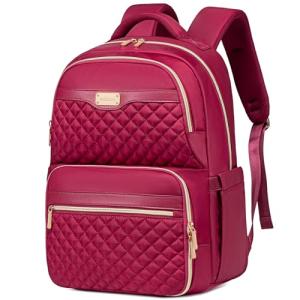
Maintenance & Troubleshooting
Regularly lubricating zipper tracks with a food-safe silicone wax prevents the mechanical binding that often leads to teeth misalignment or slider failure. Hand-washing the interior PEVA lining with mild, non-abrasive detergents is critical to preventing the chemical breakdown and delamination of the radiant heat barrier.
Common Failure Modes
While built for daily use, these hybrids are susceptible to specific mechanical and structural stresses over time.
- Repeated loading of the main compartments can lead to Stitch Failure; inspect the strap-to-body anchors monthly for fraying and reinforce them with a heavy-duty nylon thread if a gap appears.
- Overstuffing the cooler section often results in Seal Compression Fatigue; avoid forcing zippers shut to ensure the thermal gaskets retain their original shape and airtightness.
- The interior radiant lining may experience Delamination; use soft-sided containers and avoid sharp utensils to prevent the separation of the reflective layers.
- Frequent movement of the internal dividers can cause Abrasive Wear; wipe down the inner lining after every use to remove grit that can act as an abrasive against the waterproof PEVA.
- Heavy loads combined with repetitive motion often trigger Cyclic Fatigue Failure; replace any cracked plastic buckles immediately to prevent a total load-bearing collapse during transit.
- If the backpack is dropped while fully loaded, the base can suffer from Impact Fracture; ensure the bag is placed down gently to protect the internal rigid structural supports from cracking.
- Using the bag to carry items exceeding its weight rating leads to Overload Deformation; stick to the manufacturer's liter capacity to prevent the permanent bowing of the ergonomic back panel.
Environmental Stress Factors
External conditions significantly impact the thermal efficiency and material longevity of your lunch backpack.
- Leaving your hybrid in a vehicle can lead to Temperature Extremes; store the bag in a climate-controlled environment to prevent the molecular breakdown of the internal insulation foam.
- Storing the bag in a damp locker or garage promotes Mold Growth; leave all compartments unzipped after cleaning to allow full airflow through the fabric mesh and seams.
- Prolonged use during summer commutes subjects the outer shell to UV Embrittlement; apply a UV-protective fabric spray annually to keep the exterior nylon fibers flexible and resistant to cracking.
- Exposure to coastal air or winter road salts can cause Corrosion; rinse metal hardware and sliders with fresh water after exposure to prevent oxidation and zipper jamming.
Key Components
The performance of a hybrid backpack relies on a synergy of specialized materials and structural engineering.
- The core thermal performance is provided by the Insulation System; ensure this layer remains unpunctured to maintain the barrier against external heat transfer.
- Weight is distributed evenly across your back thanks to the Load Bearing Frame; check for bends in the panel to ensure the weight remains off your lumbar spine.
- To protect sensitive electronics in the tech sleeve, the Structural Housing acts as a defensive cage; keep the tech compartment separate from heavy food items to prevent crushing.
- Comfort during long treks is ensured by the Upholstery Fabric Layer; clean the mesh panels with a soft brush to keep the moisture-wicking pores clear of sweat salts.
- The internal support and cushioning of the straps are maintained by the Foam Core; avoid folding the straps tightly during storage to prevent the foam from losing its rebound.
- Zippers and access points rely on a high-quality Fastener System; pull zippers straight and even to avoid stress on the teeth and tape.
If you are researching comprehensive meal prep and commute solutions, you may also want to evaluate the durability expectations for these related products: