Maintenance & Troubleshooting
Maintaining thermal efficiency requires protecting the vacuum seal from extreme temperature shocks; never place a vacuum-insulated bottle in the freezer, as the internal pressure changes can warp the steel layers. For lid longevity, avoid over-tightening, which permanently deforms the silicone gaskets and leads to slow-drip leaks.
Common Failure Modes
Even the most rugged metal containers can experience performance drops due to mechanical stress or material fatigue over time.
- Internal vacuum loss often occurs due to Impact Fracture; use a protective silicone boot to dampen shocks and prevent the vacuum seal from breaking during drops.
- The effectiveness of your lid's airtight seal may diminish over time due to Seal Compression Fatigue; close the lid only until snug rather than cranking it down to preserve gasket shape.
- Visible orange spots on the interior surface are typically a result of Corrosion; rinse the bottle immediately after using it for coffee or sports drinks to prevent acid-induced pitting.
- Small hairline gaps in the outer shell can lead to Micro-Corrosion Fatigue; dry the exterior thoroughly after use in coastal areas to stop salt from eating through the steel.
- The protective exterior finish might start showing signs of Coating Peeling; hand-wash powder-coated bottles to avoid the high-heat drying cycles of dishwashers that loosen the bond.
- Over time, the flexible parts of the lid assembly may experience Elastomer Hardening; apply a tiny amount of food-grade silicone grease to moving parts to keep them pliable.
- The structural integrity of the base can be compromised by Stress Cracking; avoid pouring boiling water into a bottle that has been sitting in a freezing car to prevent metal fatigue.
Environmental Stress Factors
External conditions play a significant role in how well your bottle maintains its aesthetic finish and structural health.
- Coastal environments can accelerate metal degradation through Salt Exposure; wash the exterior with fresh water daily to neutralize chloride ions that cause rust.
- Leaving your bottle in a hot car during summer creates Temperature Extremes; crack the lid slightly if the bottle is empty to allow internal air pressure to equalize safely.
- Using harsh abrasive cleaners or steel wool creates a Cleaner Compatibility Conflict; use a soft bottle brush and baking soda to scrub the interior without scratching the steel.
- Leaving your bottle near a window for extended periods can cause High UV Exposure; store the bottle in a cupboard or bag when not in use to prevent the paint from fading or becoming brittle.
Key Components
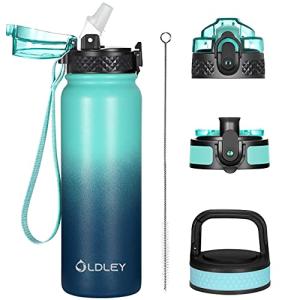
Every bottle is an assembly of specialized parts designed to work together to provide a leak-proof, insulated experience.
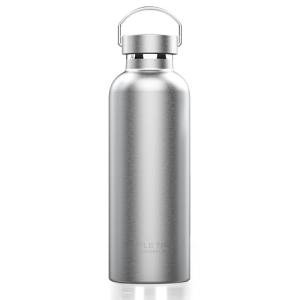
- The core performance of the bottle relies on the Insulation, which utilizes a vacuum between two steel walls.
- The exterior of the bottle is protected by a Structural Housing that provides impact resistance and a comfortable grip.
- To prevent leaks, every lid features a high-quality Seal Gasket made from food-grade silicone or rubber.
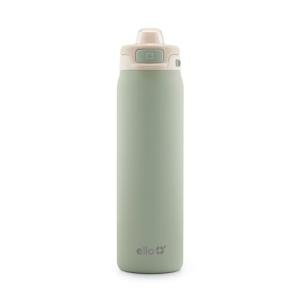
- The durability of flip-top or chug caps depends on a robust Hinge Pivot designed for thousands of cycles.
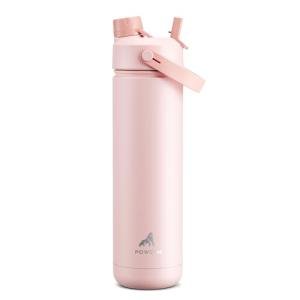
- Many modern caps incorporate a Dispensing Mechanism like a straw or push-button valve for easy one-handed drinking.
- The tight fit of the screw-on lid is ensured by a precision-engineered Fastener integrated into the neck of the bottle.
If you are researching full-room setups, you may also want to review the failure expectations for these related hardware items: