Maintenance & Troubleshooting
Regularly clearing particulate matter from the sliding rails prevents the frictional heat that leads to premature polymer degradation. Monitoring the torque on frame fasteners every semester ensures the unit remains rigid and prevents the wobbly "racking" that precedes structural collapse.
Common Failure Modes
Even the sturdiest organizers can succumb to the physical demands of a busy school year if not monitored for signs of wear.
- Overloading individual tiers with heavy textbooks often leads to structural warping; redistribute heavy reference books to the bottom shelf to maintain a lower center of gravity.
- Repeatedly dropping heavy binders into the top slot may cause an impact fracture; place heavy items gently to avoid shock-loading the plastic or acrylic joints.
- Lower-quality fasteners may experience joint loosening over time; check and tighten all screws or cam-locks twice a year to maintain frame stability.
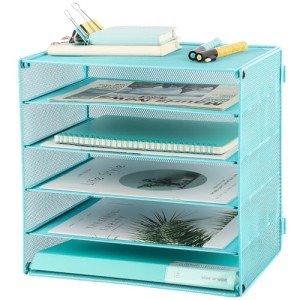
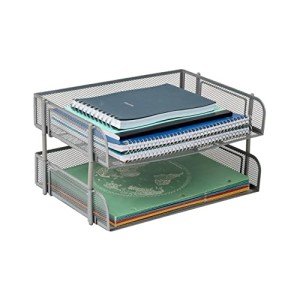
- In metal mesh designs, frequent movement and friction can lead to abrasive wear; touch up any exposed metal with rust-resistant enamel to prevent the core from oxidizing.
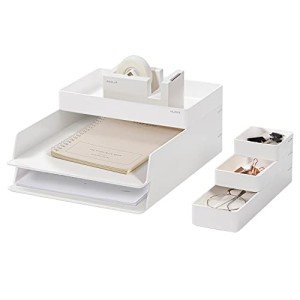
- Stackable units that are frequently repositioned might suffer from small hardware failure; replace snapped plastic clips with metal spring binders to restore a secure connection.
- Prolonged pressure from dense stacks of paper can cause creep deformation; periodically rotate the trays or flip inserts to counteract permanent downward bowing.
- The daily routine of pulling and pushing trays eventually results in sliding track wear; apply a thin layer of dry-film lubricant to the rails to ensure a smooth, grit-free glide.
Environmental Stress Factors
The location of a desk significantly impacts the longevity and visual clarity of your organization tools.
- Placing trays near a window exposes them to high UV exposure; rotate the unit monthly so that one side doesn't become significantly more brittle than the other.
- Units kept in basement offices may face high humidity acceleration; use a desiccant or dehumidifier to prevent metal mesh from rusting or wooden frames from swelling.
- Desks located in high-traffic areas often accumulate a significant dust load; use compressed air to blow out the sliding tracks monthly to prevent abrasive buildup.
- Using harsh chemical disinfectants on acrylic surfaces can cause cleaner compatibility conflict; only use microfiber cloths and water to avoid the "crazing" or clouding caused by alcohol-based sprays.
Key Components
High-quality construction relies on several critical elements working together to provide a stable and accessible storage solution.
- The primary load bearing frame provides the essential vertical support required to hold multiple kilograms of paper and supplies.
- A sturdy polymer shell is often used for the trays themselves to offer a lightweight yet resilient surface for documents.
- For units featuring pull-out sections, a precise sliding rail system ensures effortless access to papers tucked at the back.
- The integrity of the assembly is maintained by a high-grade fastener system that keeps the shelves and frame locked securely together.
- The exterior structural housing serves as the final protective layer, defining the footprint and aesthetic of the desktop organizer.
Related Categories
If you are researching a full desktop or study setup, you may also want to review the failure expectations for these related devices: