Maintenance & Troubleshooting
Preventing nozzle crystallization and solvent loss is the only way to ensure a streak-free finish throughout the entire life of the product. Proper storage and mechanical priming can extend the chemical stability of specialized surfactants by up to 40%.
Common Failure Modes
Precision-engineered cleaning solutions can experience performance drops due to chemical instability or mechanical issues with the delivery system.
- Chemical effectiveness often diminishes over time due to Solvent Evaporation; ensure the nozzle is turned to the "off" position when not in use to maintain formula balance.
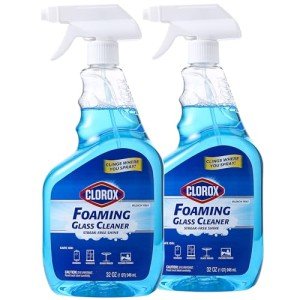
- Spray patterns may become uneven or fail entirely when the Dispensing Mechanism clogs; soak the spray head in warm distilled water to dissolve mineral or chemical buildup.
- The cleaning power of the solution can be compromised by Surfactant Breakdown; avoid shaking the bottle vigorously, which can introduce excessive air and accelerate oxidation.
- Users may notice a loss of pleasing aromas if the product undergoes Fragrance Degradation; store bottles in a cool, dark cabinet to protect volatile scent molecules from heat.
- In rare cases, poor storage conditions can lead to Microbial Risk; if the liquid becomes cloudy or develops an odor, discard it immediately to avoid spreading bacteria on household surfaces.
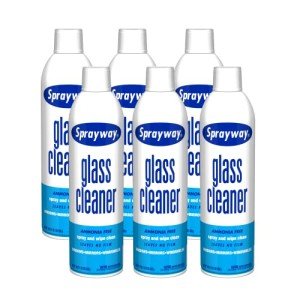
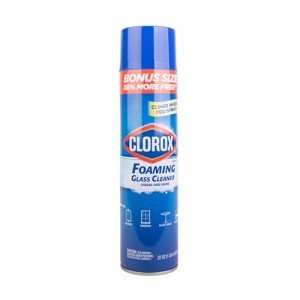
- The loss of internal pressure or physical damage to the bottle often results in Propellant Leakage; for aerosol versions, inspect the valve crimp for signs of corrosion or dents that compromise the seal.
Environmental Stress Factors
External conditions significantly influence how glass cleaners behave during application and how they age within their containers.
- Applying sprays in Temperature Extremes leads to flash-drying; only clean glass when the surface temperature is between 50°F and 80°F to prevent permanent hazing.
- Extended High UV Exposure can yellow the formula and weaken the plastic bottle; store cleaners in opaque cabinets rather than on windowsills.
- In coastal areas, Salt Exposure creates abrasive grit on the glass; always perform a dry-dust or water-rinse before applying chemical cleaners to avoid scratching the surface.
- Storing cleaning supplies in garages or sheds exposes them to Air Pollution Exposure; keep products in climate-controlled environments to prevent the plastic triggers from becoming brittle and snapping.
Key Components
Every bottle of glass cleaner is a complex assembly of chemical agents and mechanical parts working in tandem for a streak-free result.
- The Active Ingredient System provides the primary degreasing power and should be checked for sediment that indicates the formula is "cracking."
- The Surfactant System allows for even "wetting" of the glass; if the liquid beads up instantly, the surfactants have likely reached their shelf-life limit.
- To prevent the growth of bacteria and mold within the bottle, a robust Preservative System is required, especially in eco-friendly or "natural" formulations.
- The Carrier Base System is usually deionized water; using high-purity water prevents the introduction of minerals that cause white spotting.
- Durability and chemical resistance are essential for the Container Packaging System, which must withstand the acidic or alkaline nature of the concentrate inside.
Related Categories
If you are researching professional window maintenance or hardware durability, you may also want to review the failure expectations for these related categories: