Maintenance & Troubleshooting
To restore a lost static charge, vigorously rub the duster head against a clean plastic bag or synthetic surface in a low-humidity environment. Periodically cleaning the fiber matrix with a dry, compressed air canister prevents the accumulation of oily residues that permanently coat and neutralize the electrostatic field.
Common Failure Modes
Even the most durable cleaning tools face degradation over time due to mechanical stress and material fatigue.
- To combat textile fiber thinning, avoid using the tool on unfinished wood or brick surfaces that snag and pull the delicate synthetic strands.
- Prevent polymer softening by storing the duster away from radiators or laundry vents, as excessive heat permanently warps the fiber's ability to stand upright.
- Address joint loosening by checking the internal locking cams for debris and tightening the collar only until snug to prevent stripping the threads.
- Reduce vibration crack propagation by tapping the wand against a soft rubber surface rather than a hard trash can rim to clear trapped dust.
- Mitigate small hardware failure by inspecting the retaining clips every few months and ensuring the head is fully seated before applying lateral pressure.
- Counter battery fade in motorized models by completing full charge cycles and avoiding leaving the unit on a charger indefinitely after it reaches 100%.
- Stop structural warping by hanging the tool vertically rather than leaning it against a wall where the weight of the head can bend the wand over time.
Environmental Stress Factors
The efficiency of static attraction is heavily influenced by the atmosphere and debris types in your home.
- In regions with high humidity acceleration, use a dehumidifier in the storage area to ensure the fibers remain dry enough to generate a charge.
- Prevent pet hair clogging by using a dedicated wide-tooth comb to clear the duster head after every session, preventing the hair from matting the synthetic fibers.
- Avoid a heavy dust load by storing the duster in a protective sleeve or closed cabinet so the fibers aren't pre-saturated with airborne particulates.
- Minimize high UV exposure by keeping the duster out of direct sunlight, which breaks down the chemical bonds in synthetic polymers and leads to fiber shedding.
Key Components
Every duster relies on a synergy of materials to create the static field necessary for effective debris removal.
- The polymer shell serves as the primary handle; look for reinforced ABS plastic to ensure the wand doesn't snap during vigorous use.
- A high-quality adhesive bond layer is critical to ensure the fibers don't pull out of the core when cleaning high-friction surfaces like vents.
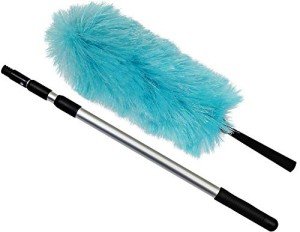
- The structural housing in extendable versions should include internal friction locks to prevent the pole from collapsing during high-reach tasks.
- Ergonomic handles often utilize a foam core to absorb the vibrations of motorized models, reducing user fatigue and protecting internal electronics.
- The wiring harness in battery-operated versions must be properly insulated to prevent the high static charge of the head from shorting out the motor.
- A durable motor assembly provides the necessary RPMs to flick dust into the fiber matrix without overheating during continuous operation.
Related Categories
If you are researching comprehensive home maintenance setups, you may also want to review the failure expectations for these related devices: