Maintenance & Troubleshooting
Dry-running the motor after each use is the most effective way to prevent internal condensation from triggering contact oxidation on sensitive safety sensors. Periodically lubricating the primary drive gears significantly reduces the torque required to process hard ice, directly lowering the thermal stress on the motor windings.
Common Failure Modes
Mechanical and electrical issues can arise from heavy use or improper maintenance of your crushing unit.
- Internal grinding components often experience Abrasive Wear; sharpen or replace blades annually to ensure the motor doesn't have to overwork against dull edges.
- The high-speed rotation required for shaving ice can lead to Bearing wear; apply food-grade lubricant to the rotational assembly to eliminate screeching and reduce heat.
- Continuous operation without breaks may cause Thermal overload; limit the device to five-minute run cycles followed by a cooling period to protect the copper windings.
- Moisture reaching the internal electronics can result in Contact oxidation; wipe down the power switch area after every use to prevent water ingress from disabling the sensors.
- Aggressive use and vibrations can lead to Joint loosening; check and tighten the external housing screws every few months to prevent internal component rattling.
- Repeated starting and stopping of the motor puts significant Relay fatigue; try to process ice in larger batches rather than frequent short bursts to preserve the switching components.
- The stress of crushing frozen blocks can result in Gear tooth wear; avoid forcing ice through the hopper, as steady, natural pressure prevents the drive teeth from stripping.
Environmental Stress Factors
The conditions in which you operate and store your ice crusher significantly impact its structural integrity.
- Operating the device in areas with High humidity can lead to rust; store the unit in a climate-controlled cabinet rather than on an open patio to protect non-stainless parts.
- In kitchens with mineral-rich tap water, Hard water buildup can jam mechanisms; soak the removable shaving head in a vinegar solution monthly to dissolve crusty deposits.
- Failing to clean the intake vents can result in Dust load; use a soft brush to clear the motor vents every few weeks to ensure maximum airflow and cooling efficiency.
Key Components
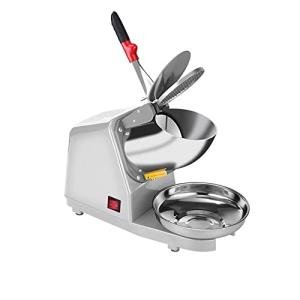
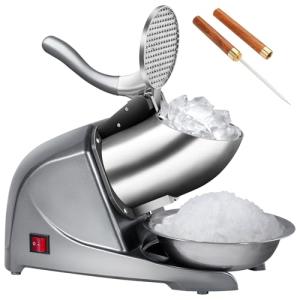
Familiarizing yourself with the primary parts of your electric ice crusher helps in identifying maintenance needs.
- The Motor provides the torque; look for units with thermal cut-off protection to prevent permanent damage during heavy processing.
- A robust Gear transmission transfers power; metal gears offer superior durability over plastic counterparts for crushing commercial-grade ice.
- The Structural housing provides stability; heavy-duty bases are essential for damping the vibrations that lead to joint fatigue.
- To prevent leaks during the melting process, the Seal gasket keeps water contained; inspect these rubber seals for cracks to avoid shorting the internal electronics.
- Internal Wiring harness components ensure current reaches the motor; keep the power cord away from sharp counter edges to prevent insulation wear.
- Modern units utilize a Dispensing mechanism; keep the discharge chute clear of frost buildup to maintain an even flow of crushed ice.
Related Categories
If you are researching full-room beverage setups, you may also want to review the failure expectations for these related devices: