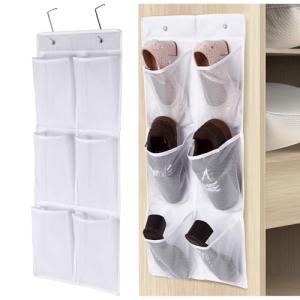
Maintenance & Troubleshooting
Preventive maintenance for hanging racks centers on tightening the fastener system every three months to counteract the loosening effects of daily door vibrations. Inspecting the contact pads for abrasive wear is essential to prevent permanent damage to your home's door finish.
Common Failure Modes
Over time, the physical demands of weight and frequent door movement can impact the structural integrity of your hanging organizer.
- To stop joint loosening, apply a small amount of thread-locking fluid to metal screws during assembly to keep the frame stable against door slams.
- Prevent overload deformation by placing heavy boots on the lowest tiers to minimize the leverage exerted on the top hooks.
- Reduce abrasive wear by placing adhesive felt strips behind any metal contact points that touch the door surface.
- Counteract creep deformation in plastic models by rotating your shoe collection regularly so no single shelf remains at maximum capacity for months.
- Address textile fiber thinning by lining fabric pockets with acid-free cardstock to distribute the weight of the shoe more evenly across the fibers.
- Mitigate cyclic fatigue by installing a door-closer or dampener to prevent the high-impact shocks that snap mounting brackets.
- Fix small hardware issues by replacing flimsy plastic clips with stainless steel zip ties for a permanent, high-tension connection between tiers.
Environmental Stress Factors
The location of your door-mounted rack plays a significant role in its long-term durability and the condition of your shoes.
- In areas of high humidity, treat metal racks with a light coat of car wax to create a moisture-resistant barrier against rust.
- Manage the dust load by using a handheld vacuum on mesh pockets monthly to prevent grit from scratching delicate leather finishes.
- Avoid temperature extremes by keeping the rack away from uninsulated attic doors, which can cause plastic components to turn brittle and snap.
- Eliminate pet hair clogging by opting for solid polymer shelves rather than mesh, which allows allergens to be easily wiped away.
Key Components
A high-quality door-mounted rack relies on specialized parts to balance weight distribution with a slim, low-profile design.
- The structural housing must be rigid enough to prevent the rack from bowing outward when the door is opened quickly.
- A robust fastener system is critical; look for models with locking nuts rather than simple friction-fit pins to ensure the frame stays square.
- Selecting a high-density polymer for individual shoe cradles provides better impact resistance than thin-gauge wire.
- An integrated seal gasket or rubberized backing on hooks acts as a shock absorber to protect the door's paint and dampen noise.
- Bags featuring a upholstery fabric liner should use non-woven synthetics to prevent the snagging of suede or delicate heel caps.
- A spring elastic tensioner in the bracket allows the rack to self-adjust to different door thicknesses, preventing the rattling that leads to hardware fatigue.
Related Categories
If you are researching comprehensive footwear management, you may also want to review the maintenance expectations for these related categories: