Maintenance & Troubleshooting
To prevent irreversible polymer degradation, always hand-wash trays made of non-tritan plastics and avoid ammonia-based cleansers that strip the material's protective finish. Inspecting the lid fasteners monthly for stress whitening allows you to catch mechanical fatigue before the locking mechanism snaps during transport.
Common Failure Modes
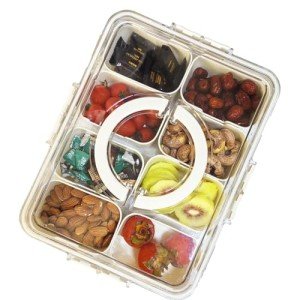
Over time, even the most durable snack organizers can face physical and chemical degradation that impacts their utility and safety.
- To prevent small hardware failure, lubricate the latch pivot points with a drop of food-grade mineral oil to reduce friction and snapping risks.
- Avoid heat warping by utilizing the top rack of the dishwasher only and skipping the "high-heat dry" cycle to preserve lid alignment.
- Reduce the risk of stress cracking by ensuring the tray is at room temperature before applying pressure to the lid latches after refrigeration.
- Combat surface scratching by using silicone-tipped utensils rather than metal, which prevents micro-abrasions that harbor bacteria.
- Identify plasticizer migration early by checking for a "tacky" surface feel; if this occurs, decommission the tray as the plastic has reached its chemical end-of-life.
- Prevent overload deformation by supporting the tray from the bottom rather than the rim when carrying heavy, dense food items like wet fruit or dips.
Environmental Stress Factors
The conditions in which you store and clean your trays significantly dictate how long they remain in peak condition.
- Mitigate high UV exposure by storing transparent trays in dark pantries, as sunlight triggers a photo-chemical reaction that makes polymers brittle.
- Prevent a cleaner compatibility conflict by using pH-neutral soaps, as citrus-based cleaners can cause "crazing" or fine cracks in polycarbonate shells.
- Protect against temperature extremes by avoiding the use of these trays for freezer storage unless the material is explicitly rated for sub-zero expansion.
Key Components
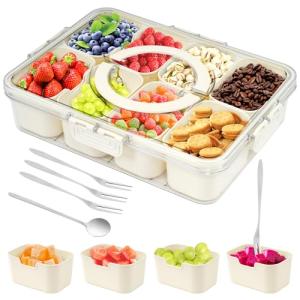
High-quality divided trays rely on several critical design elements to ensure they function effectively for food preservation and transport.
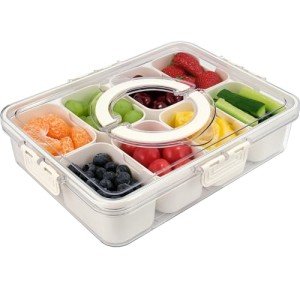
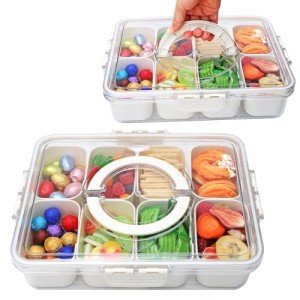
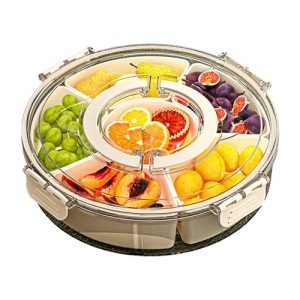
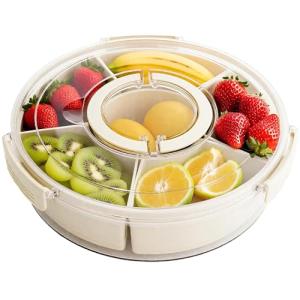
- The polymer shell is the main chassis; look for thick-walled construction to ensure the internal dividers don't flex under lateral pressure.
- An effective seal gasket must be made of high-rebound silicone to maintain airtight contact even if the lid experiences minor thermal expansion.
- The fastener assembly provides the mechanical force needed to compress the gasket; look for multi-hinged latches for even pressure distribution.
- A durable hinge pivot is essential for clamshell designs to prevent the lid from detaching after repeated opening cycles.
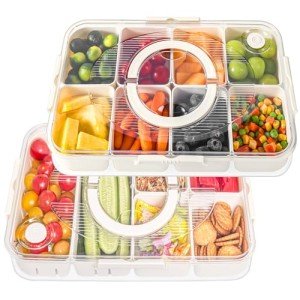
- The structural housing includes the base and exterior walls, which must be rigid enough to support stacking without bowing the lower units.
If you are researching a full-pantry or on-the-go setup, you may also want to review the failure expectations for these related devices: